






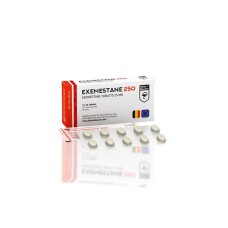

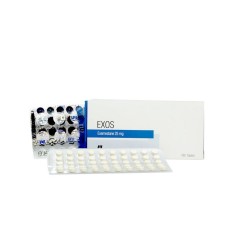




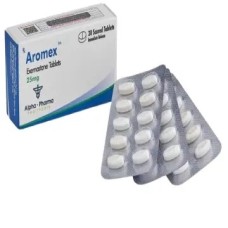
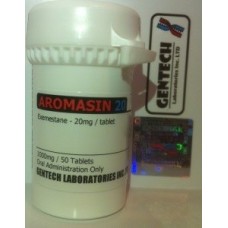

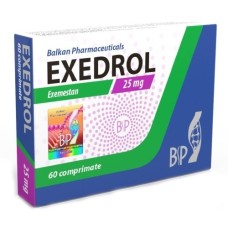


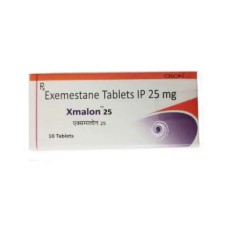
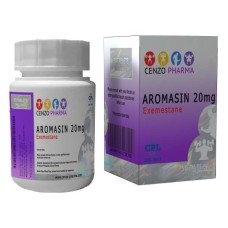
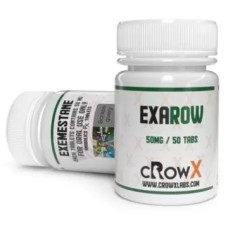


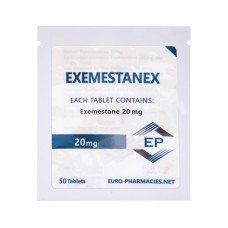
What is Exemestane?
Exemestane is an aromatase inhibitor used primarily in the treatment of hormone-receptor-positive breast cancer in postmenopausal women. This drug works by blocking the enzyme aromatase, which plays a crucial role in the conversion of androgens (male hormones) into estrogens (female hormones). By reducing estrogen levels in the body, Exemestane helps to slow or stop the growth of hormone-sensitive tumors. Its primary function is to serve as an effective option for managing certain types of breast cancer, thus addressing a significant medical need for many women.
Who Should Use Exemestane and Where is it Applied?
Exemestane is specifically designed for postmenopausal women diagnosed with hormone-receptor-positive breast cancer. It is often prescribed after surgery, chemotherapy, or radiation therapy to reduce the risk of cancer recurrence. The target audience includes women who have already undergone initial treatments and are seeking ongoing hormonal therapy. It can also be beneficial for those at higher risk of developing breast cancer due to family history or genetic predisposition.
However, before considering the use of Exemestane, it is crucial to consult with a healthcare provider. This consultation will help assess individual health circumstances and determine whether Exemestane is suitable. There are several contraindications for Exemestane use, including:
- Pregnant or breastfeeding women, as the drug can harm fetal development.
- Women who have not yet reached menopause, as the medication targets postmenopausal hormonal changes.
- Individuals with a known hypersensitivity to Exemestane or any of its ingredients.
- Patients with severe liver impairment should use Exemestane cautiously.
Being aware of these factors ensures that those who use this medication do so safely and effectively.
Key Benefits of Exemestane
The benefits of Exemestane extend beyond its primary function of cancer treatment. It provides essential support for women dealing with hormone-receptor-positive breast cancer by stabilizing their condition and reducing the likelihood of cancer recurrence. Here are some of the notable benefits associated with Exemestane:
- Effective in reducing estrogen production, leading to a decrease in tumor growth.
- Can enhance the effectiveness of initial treatments like surgery or chemotherapy.
- Aid in prolonging remission periods in patients with certain breast cancer types.
- Offers a well-tolerated treatment option, with side effects typically being manageable.
- Provides an additional line of defense for women at risk, thus improving their overall prognosis.
These benefits position Exemestane as a valuable option for many women undergoing treatment for breast cancer.
Core Value and Benefits of Aromatase Inhibitors Like Exemestane
Products in the aromatase inhibitor group, such as Exemestane, are invaluable in modern oncology and women's health care. They provide a targeted approach to tackling hormone-sensitive cancers, which have been historically challenging to manage. The core value of these medications lies in their ability to specifically inhibit estrogen production, resulting in a direct impact on hormone-responsive tumors. This class of drugs not only serves as a powerful tool against cancer but also empowers women by offering them more control over their treatment options and health outcomes.
In conclusion, Exemestane represents a significant advancement in the treatment of hormone-driven breast cancer. By understanding its applications, benefits, and necessary precautions, patients can better navigate their treatment choices, aiming for a healthier future. Always consult with a healthcare professional to ensure the best personalized care plan tailored to specific health needs.