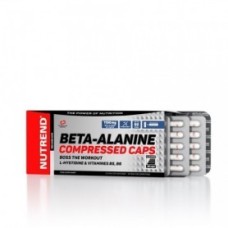


Understanding Beta-Alanine: What Is It and What Does It Do?
Beta-Alanine is a non-essential amino acid, which means that the human body can produce it on its own. However, it is also obtainable through dietary sources, particularly from protein-rich foods like meat and fish. Beta-Alanine plays a crucial role in the synthesis of carnosine, a dipeptide that serves to buffer acidity in muscles during high-intensity exercise. This buffering action is vital as it helps to delay muscle fatigue, enhancing athletic performance and endurance. For individuals seeking improved workouts and athletic capabilities, Beta-Alanine serves as a promising solution.
The primary task of Beta-Alanine is to help individuals push through their physical limits during intense workouts or competitive sports. By raising carnosine levels in muscle tissues, it reduces the accumulation of lactic acid—a common culprit of muscle fatigue and soreness. As such, users often find that they can sustain high levels of exertion for longer periods, which can lead to better overall workout efficiency and enhanced performance outcomes.
Who Can Benefit from Beta-Alanine and Its Applications
Beta-Alanine is most commonly used by athletes, fitness enthusiasts, and individuals engaged in high-intensity interval training (HIIT). Whether you are a runner, a weight lifter, or someone interested in enhancing general fitness, Beta-Alanine can be beneficial, especially during training sessions that involve repeated bouts of short bursts of activity. Additionally, it is also utilized by sports professionals and bodybuilders who seek to improve their performance and endurance levels.
It is important to note that consultation with a doctor or specialist is necessary before starting any new supplement regimen, including Beta-Alanine. This is especially true for individuals with specific health conditions, pregnant women, or children, as they may face contraindications for using such supplements. Always prioritize health and safety by seeking professional advice.
Key Benefits of Beta-Alanine
Beta-Alanine offers various advantages that cater to athletes and fitness enthusiasts alike. Below are some of the key benefits that highlight why incorporating this amino acid into your regimen could be advantageous:
- Improved exercise performance: Increased carnosine levels help sustain higher levels of physical exertion.
- Enhanced endurance: Allows individuals to combat muscle fatigue and achieve longer training sessions.
- Quicker recovery: By reducing muscle soreness, Beta-Alanine can enhance recovery times between workouts.
- Supports muscle strength: Many users report better strength gains over time when incorporating Beta-Alanine into their training.
- Benefits in high-intensity training: Particularly useful for disciplines that require short bursts of maximum effort.
These attributes make Beta-Alanine highly attractive for a wide range of users, from amateur gym-goers to professional athletes, all aiming to enhance their physical performance and maintain a robust fitness journey.
The Core Value of Beta-Alanine Products
Products containing Beta-Alanine offer significant core value primarily characterized by their ability to improve athletic performance and foster muscle endurance. This is particularly important for those engaging in high-intensity workouts where traditional energy systems may falter. By incorporating Beta-Alanine into a comprehensive training plan, users may notice not only enhanced physical capabilities but also improved mental focus and motivation to train harder.
Furthermore, the cumulative long-term benefits can lead to greater workout consistency, as increased endurance and reduced fatigue provide athletes with the means to push themselves beyond their perceived limits. This, in turn, can contribute to better progression in their fitness goals, making Beta-Alanine an attractive option for anyone committed to elevating their physical performance.
In summary, Beta-Alanine is a powerful amino acid that serves a specific purpose for athletes and fitness enthusiasts. By effectively reducing muscle fatigue and enhancing performance through buffering lactic acid, it has emerged as a valuable addition to the nutrition plans of those aiming to take their training to the next level. However, one should always consult with a healthcare professional before incorporating it into their routine to ensure optimal safety and effectiveness.