




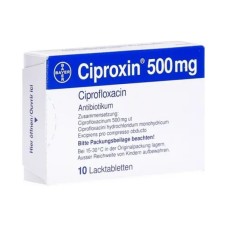


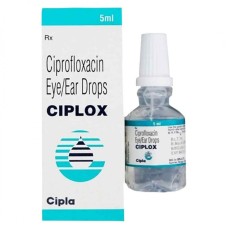




What are Antibacterial Drugs?
Antibacterial drugs are a class of medications designed to combat bacterial infections by either killing the bacteria or inhibiting their growth. These drugs play a crucial role in medical treatment, ensuring that patients can recover from infections that would otherwise result in severe complications or even death. The primary task of antibacterial drugs is to eliminate bacterial pathogens while minimizing damage to the host's own cells. In a world where bacterial infections can lead to significant morbidity and mortality, these drugs are essential in both clinical settings and everyday life.
Target Audience and Context of Use
Antibacterial drugs are utilized by a diverse range of individuals and groups, primarily including patients suffering from bacterial infections, healthcare professionals, and caregivers. They are prescribed in a variety of contexts, such as hospitals, outpatient clinics, and home care settings. The target audience spans across all age groups, from infants to the elderly, but it is crucial to recognize that specific populations may require caution:
- Pregnant women should consult their healthcare provider, as some antibacterial drugs can affect fetal development.
- Children may require dosage adjustments and careful monitoring due to their developing bodies.
- Individuals with certain pre-existing health conditions, such as liver or kidney disease, may face contraindications and require alternative treatments.
It is imperative that anyone considering the use of antibacterial drugs consults with a doctor or specialist prior to use. This ensures the right medication is selected based on the specific bacterial infection and the individual's health history.
Key Benefits of Antibacterial Drugs
Antibacterial drugs offer several essential benefits that contribute to improved health outcomes in individuals with bacterial infections. By effectively targeting the bacteria responsible for these infections, antibacterial drugs help alleviate symptoms, speed up recovery times, and prevent the spread of infections. Below are some of the key benefits of these medications:
- Rapid reduction of bacterial load, which leads to symptom relief.
- Prevention of serious complications associated with untreated infections.
- Improved quality of life by enabling patients to return to normal activities sooner.
- Strengthened public health by reducing the incidence of contagious bacterial infections.
These advantages highlight the critical role that antibacterial drugs play in modern medicine, making them indispensable in addressing bacterial infections effectively.
Core Values and Benefits of Antibacterial Drugs
The core value of antibacterial drugs lies in their ability to provide swift and effective relief from bacterial infections. This is particularly important in urgent medical situations where delays in treatment could lead to severe outcomes. Antibacterial drugs empower healthcare providers to confidently address infections, allowing them to focus on patient care while knowing that they have reliable treatment options at their disposal.
Moreover, these drugs foster confidence among the general public, as they can rely on medical interventions to deal with infections that arise from everyday life situations. The development and accessibility of new antibacterial agents also ensure that healthcare systems are equipped to deal with emerging bacterial resistance, an ongoing concern in the medical field. In summary, antibacterial drugs not only serve a medical purpose but also reinforce the trust patients place in modern healthcare solutions.