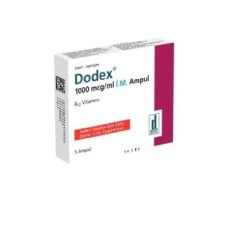

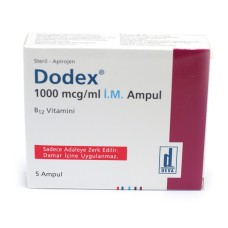
Cyanocobalamin: An Overview of Its Role in Health and the Market
Cyanocobalamin, commonly referred to as Vitamin B12, is a pivotal water-soluble vitamin that plays an essential role in key physiological processes in the human body. It is indispensable for DNA synthesis, red blood cell formation, and neurological function. As a member of the B-vitamin complex, Cyanocobalamin is often found in animal-derived foods like meat, eggs, and dairy, making it particularly vital for maintaining health among individuals who adhere to vegetarian or vegan diets. In contemporary health markets, it is widely available as a dietary supplement, contributing significantly to the nutritional landscape for consumers seeking to enhance their well-being.
The growing awareness of the importance of adequate B12 levels has led to an increase in the number of products containing Cyanocobalamin. Its multifaceted applications in nutritional supplementation, particularly for preventing B12 deficiency and its associated health complications, have made it a staple in pharmacies, health food stores, and online health platforms. By providing a synthetic form of Vitamin B12, Cyanocobalamin supplements cater to those who may be at risk of deficiency, including older adults, people with gastrointestinal disorders, and those with insufficient dietary intake.
Key Characteristics and Principles of Cyanocobalamin Products
Understanding the characteristics of Cyanocobalamin products helps consumers make informed choices. Here are some fundamental principles and features common across these products:
- Formulation Variations: Cyanocobalamin is available in various forms, including tablets, capsules, sublingual lozenges, and injectable options. These different formulations cater to individual health needs and preferences.
- Dosage and Administration: The recommended daily allowance of Vitamin B12 varies based on age, sex, and specific health conditions. Consumers should follow suggested dosages as indicated on product labels or prescribed by healthcare professionals.
- Absorption Factors: The body's ability to absorb Cyanocobalamin can be influenced by various factors, such as age and gastrointestinal health. Individuals with malabsorption issues may require higher doses or alternative delivery methods, like injections.
- Storage and Stability: Cyanocobalamin products should be stored in a cool, dry place to maintain their efficacy. Certain forms, particularly injections, may have specific storage requirements to ensure potency.
- Contraindications: Cyanocobalamin may not be suitable for everyone. Notable contraindications include:
- Pregnant women should consult their healthcare provider before starting any supplement.
- Infants and young children should only use B12 supplements under medical supervision.
- Individuals with specific medical conditions, such as Leber's disease (an inherited eye disorder), should avoid Cyanocobalamin due to potential harm.
- Those allergic to cobalt or any other component of the formulation should refrain from usage.
Current Trends and Developments in the Cyanocobalamin Market
The market for Cyanocobalamin and Vitamin B12 supplements has seen substantial growth amidst rising health awareness and increasing consumer interest in nutrition. Key trends shaping the current landscape include:
- Personalized Supplements: The rise of personalized nutrition has propelled tailored Cyanocobalamin supplements, designed to cater to individual health requirements based on genetic profiles, lifestyle, and health status.
- Increased Awareness of Vegetarians and Vegans: With the surge in plant-based diets, manufacturers are innovating to create high-quality Cyanocobalamin products that meet the needs of those who do not consume animal-derived foods.
- Enhanced Bioavailability: Advances in pharmaceutical technology have led to the development of more effective formulations that improve the bioavailability of Cyanocobalamin, allowing for better absorption and efficiency in the body.
- Integration with Functional Foods: Companies are increasingly incorporating Cyanocobalamin into functional foods and beverages, promoting convenient ways for consumers to enhance their daily B12 intake.
The Significance of Cyanocobalamin in the Nutritional Landscape
In summary, Cyanocobalamin occupies a vital niche in nutritional supplementation, catering to a diverse consumer base eager to maintain optimal health. It plays an essential role in overall well-being, especially for individuals at risk of Vitamin B12 deficiency. The increasing availability of Cyanocobalamin products, coupled with innovations in formulation and delivery, underscores the growing recognition of its importance. As consumers become more health-conscious, the role of this particular vitamin will likely continue to expand, ensuring that its relevance in modern nutrition remains strong. Understanding the benefits, potential contraindications, and latest trends in Cyanocobalamin will enable consumers to make educated decisions about incorporating this crucial vitamin into their daily health regimen.