
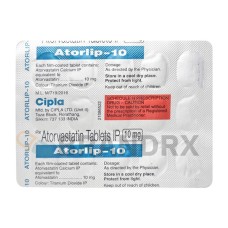

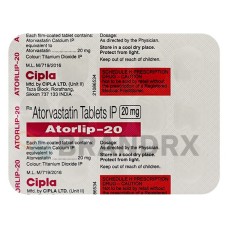
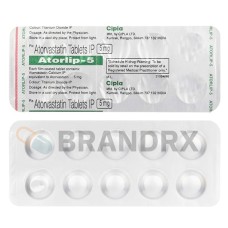
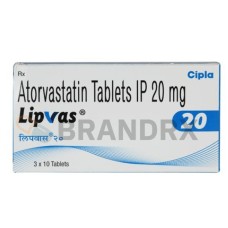
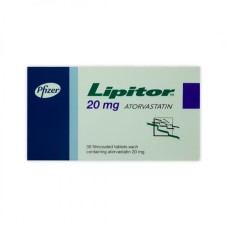
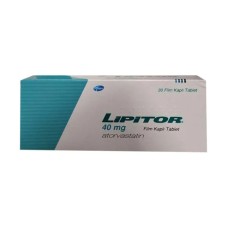
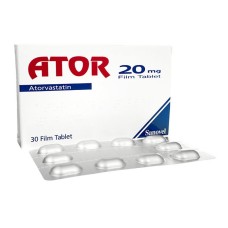
Overview of Hypolipidemic Drugs
Hypolipidemic drugs, crucial players in the pharmaceutical landscape, serve a vital function in managing cholesterol and lipid levels in the human body. These medications are primarily prescribed to reduce elevated levels of lipids, particularly cholesterol and triglycerides, thereby promoting cardiovascular health. Given the increasing prevalence of lifestyle-related conditions such as obesity and metabolic syndrome, the demand for effective hypolipidemic therapies continues to rise. In this context, these drugs represent not just a treatment modality but also a preventive measure against cardiovascular diseases, which remain one of the leading causes of mortality worldwide. Consumers rely on hypolipidemic drugs not only to manage existing lipid disorders but also to maintain overall heart health, signaling their integral role in contemporary health management strategies.
Key Characteristics and Fundamental Principles
The efficacy of hypolipidemic drugs can be attributed to their unique clinical characteristics and mechanisms of action. Understanding these common traits is essential for both healthcare providers and patients. Here are several key aspects to consider:
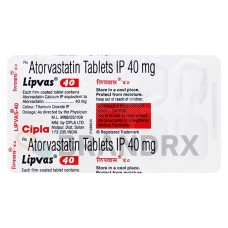
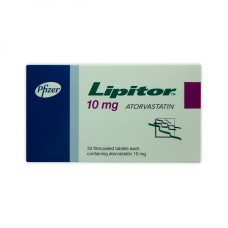
- Action Mechanisms: Hypolipidemic drugs work through various mechanisms. Statins inhibit the HMG-CoA reductase enzyme, reducing cholesterol production in the liver, while fibrates primarily lower triglyceride levels by enhancing lipid metabolism.
- Target Audience: These drugs are typically prescribed to adults with elevated LDL cholesterol or triglyceride levels, aiding those at risk of heart diseases.
- Monitoring Requirements: Patients on hypolipidemic therapy often require routine monitoring of liver function and lipid levels to ensure medication effectiveness and to detect possible side effects.
- Possible Side Effects: Common side effects may include muscle pain, digestive issues, and liver enzyme alterations. It's essential for patients to report these occurrences to their physician promptly.
- Contraindications: Certain populations should avoid hypolipidemic drugs. This includes:
- Pregnant or breastfeeding women due to potential fetal harm.
- Children and adolescents, as long-term safety and efficacy data in this demographic are limited.
- Individuals with liver disease or significant renal impairment, given the drugs’ potential for exacerbating these conditions.
- Patients on anticoagulant therapy should exercise caution, as interactions may lead to increased bleeding risks.
Current Trends and Developments in Hypolipidemic Drugs
The landscape of hypolipidemic drugs is continuously evolving, driven by advances in medical research and a deeper understanding of lipid metabolism. Recent trends point towards the discovery and approval of novel classes of medications, including PCSK9 inhibitors, which have shown remarkable efficacy in lowering LDL cholesterol levels, especially in patients who are statin-intolerant or those with familial hypercholesterolemia. Furthermore, combinations of existing hypolipidemic agents are being employed to enhance therapeutic outcomes and compliance, targeting multiple lipid fractions simultaneously. Additionally, the rise of personalized medicine is influencing treatment approaches, as genetic testing can help predict which medications will be most effective for individual patients, thereby improving adherence and health outcomes. The incorporation of digital health technologies also plays a crucial role, with mobile apps and telemedicine platforms assisting patients in managing their lipid levels and adhering to their prescribed therapies more accurately.
The Place of Hypolipidemic Drugs in the Healthcare Ecosystem
Hypolipidemic drugs occupy a significant niche within the broader healthcare ecosystem. They are not only vital tools in the treatment of dyslipidemia but also serve as preventative measures in the fight against cardiovascular diseases. As our understanding of lipid management advances, these drugs are increasingly complementing lifestyle modifications like diet and exercise, encouraging a comprehensive approach toward heart health. The integration of hypolipidemic drugs into routine care emphasizes the importance of early intervention in lipid management, reinforcing the need for regular lipid profiling and patient education on the significance of optimal cholesterol levels. In conclusion, as the market for hypolipidemic drugs continues to expand, their role in promoting cardiovascular health remains crucial, ensuring that patients and healthcare providers can continue to work together in the fight against one of today’s most pressing health challenges.