
Understanding Nicotine: Definition and Purpose
Nicotine is a naturally occurring alkaloid found predominantly in the tobacco plant. It is a stimulant that has a profound effect on the central nervous system. Nicotine serves multiple purposes, primarily known for its role in addiction and its psychoactive properties. Typically consumed through smoking, vaping, or other forms of tobacco use, nicotine acts as a neurochemical messenger. Users often seek nicotine for its mood-enhancing properties and the stimulation it provides, fulfilling a primary need for relaxation and cognitive stimulation in stressful situations.
Target Audience and Context of Nicotine Use
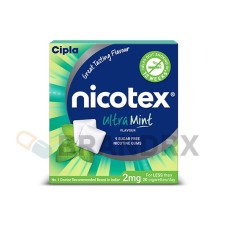
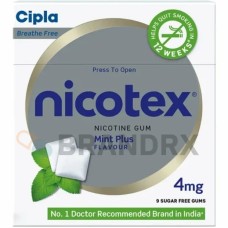
Nicotine is primarily targeted towards adults who may engage in smoking or vaping to curb cravings, enhance concentration, or manage stress. Its usage spans various demographics, including individuals who are attempting to quit smoking or are looking for alternative methods to deliver nicotine without the harmful effects of traditional tobacco products. This includes those using nicotine replacement therapies such as patches and gum.
However, it is imperative to consult with a doctor or a healthcare specialist before initiating any form of nicotine consumption. This ensures a safe approach tailored to individual health conditions. Notably, nicotine is not recommended for certain groups of people, including pregnant women, children, and individuals with specific medical conditions such as heart disease or respiratory issues. These contraindications are crucial for ensuring health safety and preventing adverse effects.
The Key Benefits of Nicotine
While it’s known mainly for its addictive properties, nicotine also offers several potential benefits when used responsibly and under medical supervision. Many users report an array of positive effects that can accompany its use, particularly in therapeutic contexts. Here are some key benefits associated with nicotine consumption:
- Improved Mood: Users often experience a temporary lift in mood and a decrease in stress and anxiety.
- Cognitive Enhancement: Nicotine has been shown to enhance focus, attention, and memory, making it appealing for those needing a temporary cognitive boost.
- Appetite Suppression: Some individuals use nicotine to help suppress appetite, which can be a benefit for those looking to manage weight.
- Potential Therapeutic Uses: Research indicates that nicotine may have neuroprotective qualities, possibly aiding conditions like Parkinson's disease.
It’s important to reiterate that while nicotine may offer these benefits, its usage must be monitored and managed carefully to prevent dependency and other negative health implications.
Core Value of Nicotine Products
Nicotine products, when used appropriately, offer a unique combination of benefits that can serve a vast majority of users seeking relief from stress, improvement in cognitive performance, or alternatives to traditional tobacco use. As a versatile compound, nicotine can cater to the needs of those who are trying to quit smoking by providing a controlled dosage without the harmful tar and chemicals found in combustible tobacco products. This core value lies in its ability to cater to both recreational users and those seeking therapeutic benefits, creating an avenue for healthier lifestyle choices.
In conclusion, nicotine is a compound that, despite its notoriety, presents various benefits when used under professional guidance. By being aware of the potential advantages and the necessary precautions, users can make informed decisions regarding its use and find solutions that align with their health and lifestyle needs.