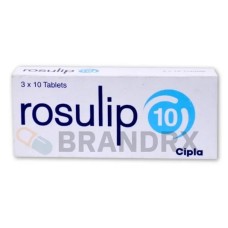

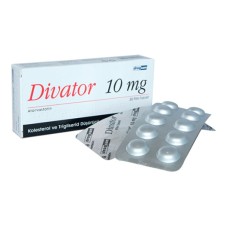
Understanding Rosuvastatin: Common Principles and Features
Rosuvastatin, a member of the statin family, is primarily designed to lower cholesterol levels in the blood. The common principle uniting all products within the Rosuvastatin group is their ability to inhibit the enzyme HMG-CoA reductase, which plays a crucial role in the production of cholesterol in the liver. By reducing cholesterol synthesis, Rosuvastatin effectively lowers low-density lipoprotein (LDL) cholesterol, often referred to as "bad" cholesterol, while simultaneously raising high-density lipoprotein (HDL) cholesterol, the "good" cholesterol. This dual action is critical in preventing cardiovascular diseases, including heart attacks and strokes, as it manages overall cholesterol levels effectively.
Another key feature shared among products in the Rosuvastatin category is their potency. Rosuvastatin is considered one of the most potent statins available, meaning that even at lower doses, it can produce significant reductions in LDL cholesterol levels. Additionally, Rosuvastatin products often come with a favorable safety profile and fewer side effects compared to some other statins. This combination of effectiveness and safety makes Rosuvastatin an appealing choice for both healthcare providers and patients alike.
Types and Forms of Rosuvastatin Products
Rosuvastatin products are available in various forms, primarily as oral tablets. The most common formulations include standard tablets in strengths ranging from 5 mg to 40 mg, allowing for flexibility in dosing based on individual patient needs. Additionally, some pharmaceutical companies have developed combination products that pair Rosuvastatin with other medications aimed at managing cholesterol or hypertension, thus offering a more comprehensive approach to cardiovascular health.
Furthermore, Rosuvastatin is often available as both branded medications and generic options, giving patients access to a wide range of choices. Patients may also find variations in packaging sizes, such as blister packs or bottles, to accommodate different treatment lengths and preferences. This diversity helps ensure that individuals can find a suitable formulation and regimen that adheres closely to their health goals and lifestyle.
Why Choose Rosuvastatin Over Other Categories?
When considering cholesterol-lowering medications, patients may wonder what sets Rosuvastatin apart from other statins or lipid-lowering agents. One of the primary differences lies in its potency and effectiveness. Compared to other commonly prescribed statins like atorvastatin and simvastatin, Rosuvastatin has been shown in clinical trials to provide superior reductions in LDL-C levels, particularly in patients with hyperlipidemia or those at high risk for cardiovascular events.
Moreover, Rosuvastatin boasts a robust evidence base supporting its use. Many clinical studies have demonstrated not only its ability to lower cholesterol but also its effects on reducing cardiovascular mortality and morbidity, contributing to its acceptance as a first-line therapy. In addition to cholesterol management, some studies indicate that Rosuvastatin may offer benefits in reducing inflammation and improving endothelial function, making it a multifaceted treatment option.
Long-term Effects and Considerations When Using Rosuvastatin
While the long-term use of Rosuvastatin can be beneficial in managing cholesterol levels and reducing the risk of cardiovascular diseases, certain contraindications should be taken into account. For example, Rosuvastatin is not recommended for use in pregnant or breastfeeding women due to potential risks to fetal development or nursing infants. Additionally, individuals with certain liver conditions or a history of muscle disorders may be advised to avoid this medication or use it under strict medical supervision.
Moreover, long-term adherence to Rosuvastatin therapy may lead to the development of side effects in some patients, including muscle pain, liver enzyme abnormalities, and gastrointestinal issues. Regular monitoring by healthcare professionals is essential to adjust doses or explore alternative therapies if adverse effects arise. It’s crucial for patients to discuss their full medical history with their doctor before starting Rosuvastatin.
Choosing and Starting Rosuvastatin: Practical Advice
When considering Rosuvastatin, patients should begin by consulting with their healthcare provider to assess their individual health needs, risk factors, and treatment options. An accurate diagnosis of cholesterol levels through blood tests will guide the appropriateness of this medication. If prescribed, patients should follow the dosing schedule strictly, whether Rosuvastatin is taken with or without food, to maximize its effectiveness.
It’s also beneficial for patients to maintain open lines of communication with their healthcare team throughout treatment. Discussing any side effects, questions, or needs for dose adjustments is crucial for optimizing therapy outcomes. Furthermore, incorporating lifestyle modifications such as a balanced diet, regular exercise, and smoking cessation can complement the effects of Rosuvastatin and further improve cardiovascular health. By approaching treatment holistically, patients can achieve better overall results in managing their cholesterol levels and reducing the risk of heart disease.