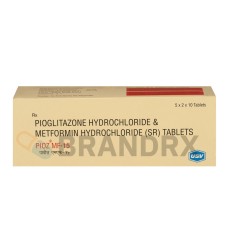

Pioglitazone, Metformin: An Overview
Pioglitazone and Metformin are two medications commonly prescribed in the management of type 2 diabetes mellitus. This combination is primarily aimed at improving glycemic control in adults with this condition. Pioglitazone belongs to the class of thiazolidinediones, which work by increasing insulin sensitivity in muscle and fat tissues, as well as decreasing hepatic glucose production. On the other hand, Metformin is a biguanide that helps to lower blood sugar levels primarily by decreasing glucose production in the liver and improving the body’s response to insulin.
The need for a functional medication for effective diabetes management is crucial, given the increasing prevalence of type 2 diabetes globally. Pioglitazone, Metformin not only helps manage blood glucose levels but also plays a role in improving the overall quality of life for individuals living with diabetes. Proper use of this medication can help prevent or delay the onset of complications associated with diabetes, making it an essential part of treatment plans for many patients.
Who Should Use Pioglitazone, Metformin?
Pioglitazone, Metformin is primarily designed for adults diagnosed with type 2 diabetes, especially those who are not achieving sufficient glucose control with diet and exercise alone. It can also be indicated for patients who may benefit from dual therapy. While this medication offers many advantages, it is important to remember that consultation with a doctor or specialist is necessary before starting any new medication or treatment. A healthcare professional can provide guidance based on individual health profiles and medication history.
There are certain groups of individuals for whom Pioglitazone, Metformin might not be suitable. This includes pregnant women, as the effects of the medication on a developing fetus are not fully known. Additionally, it is not recommended for children, or for individuals with specific health conditions such as severe liver impairment, heart failure, diabetic ketoacidosis, or a history of bladder cancer. Patients should always disclose their complete health history to their healthcare providers for a safe and effective treatment plan.
Key Benefits of Pioglitazone, Metformin
The combination of Pioglitazone and Metformin presents numerous benefits in the management of type 2 diabetes. These medications work synergistically to provide optimal blood sugar control, which is essential for lowering the risk of diabetes-related complications such as neuropathy, nephropathy, and cardiovascular issues. Here are some key benefits of using Pioglitazone, Metformin:
- Improved glycemic control: Helps lower blood sugar levels effectively.
- Increased insulin sensitivity: Enhances the body’s response to insulin.
- Weight management: May help in weight stabilization or modest weight loss.
- Decreased risk of complications: Aims to reduce the likelihood of diabetes-related health issues.
- Convenient oral administration: Available in pill form, making it easy to integrate into daily routines.
Unlocking the Value of Pioglitazone, Metformin
The core value of Pioglitazone, Metformin lies in its comprehensive approach to managing type 2 diabetes effectively. By addressing both insulin resistance and glucose production, this combination therapy provides a multifaceted solution that can address the complexities of diabetes management. Users benefit from consistent blood sugar levels, which are vital for maintaining overall health and wellness.
Beyond lowering blood glucose, the combination of these medications can significantly enhance the quality of life for individuals facing the challenges of diabetes. Patients experience fewer spikes in their blood sugar levels, leading to improved energy levels and reduced potential complications.
In conclusion, Pioglitazone, Metformin is an instrumental therapeutic option for those managing type 2 diabetes. However, as with any medication, it is crucial to work alongside healthcare professionals for tailored treatment plans that suit individual needs and circumstances. Proper understanding and adherence to the treatment regimen can pave the way for a healthier future.