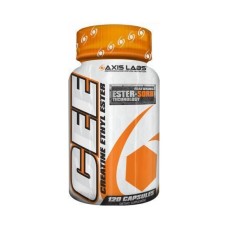

Overview of Creatine Ethyl Ester
Creatine Ethyl Ester (CEE) is a novel form of creatine, a compound that has gained considerable traction within the fitness and supplementation market. Known for its potential benefits in enhancing athletic performance and muscle growth, CEE is a derivative of traditional creatine monohydrate. What sets CEE apart is the addition of an ethyl ester group, which allows for improved absorption and bioavailability in the body, theoretically enabling users to achieve better outcomes from their supplementation.
The creatine market has been a robust segment of the dietary supplement industry for years, with CEE emerging as a popular alternative due to its purported advantages, such as less water retention and decreased stomach discomfort compared to its predecessors. Fitness enthusiasts, bodybuilders, and athletes often turn to Creatine Ethyl Ester for its potential to boost energy levels during high-intensity workouts. Its growing presence among consumers showcases a shift towards advanced formulations that promise superior efficiency, convenience, and overall effectiveness in performance enhancement.
Key Characteristics and Fundamental Principles
Understanding the fundamental principles of Creatine Ethyl Ester can help consumers make informed decisions about its usage. This group of products generally shares several key characteristics, including:
- Enhanced Absorption: CEE's ethyl ester modification is believed to allow quicker entry into muscle cells, potentially providing faster effects than creatine monohydrate.
- Reduced Water Retention: Unlike traditional creatine, which may cause significant water retention in muscles, CEE aims to minimize this side effect, offering a leaner muscular appearance.
- Fuel Source for Exercise: CEE serves as a pivotal energy source during anaerobic activities, helping to replenish ATP (adenosine triphosphate) levels, thereby enhancing performance and endurance.
- Convenience: CEE is often available in a more user-friendly capsule or tablet form, which can be easier to incorporate into daily routines compared to powdered forms.
However, despite its advantages, it is important to recognize specific contraindications regarding the use of Creatine Ethyl Ester. This group of products is generally not suitable for:
- Pregnant Women: Due to insufficient research on its effects during pregnancy, CEE should be avoided to ensure safety for both the mother and the fetus.
- Children: The use of creatine supplements is not recommended for children, as their bodies are still developing and the long-term impacts of supplementation are unknown.
- Individuals with Kidney Issues: Since creatine is processed by the kidneys, individuals with pre-existing kidney conditions should refrain from using CEE.
- Those with Liver Disorders: Similar to kidney issues, liver problems may exacerbate due to heightened creatine intake, so caution is advised.
- People on Certain Medications: CEE can interact with medications, particularly those that impact kidney or liver function. Consulting with a healthcare professional is crucial for those on prescriptions.
Current Trends and Developments in the Creatine Ethyl Ester Market
The market for Creatine Ethyl Ester continues to evolve, adapting to consumer preferences and emerging scientific research. One significant trend is the growing enthusiasm for transparent labeling and natural ingredient sourcing. Consumers are becoming increasingly aware of what they put into their bodies, leading manufacturers to look for high-quality, traceable ingredients in their formulations.
Moreover, the rise of personalized nutrition has influenced product offerings, with brands developing CEE supplements tailored to specific fitness goals, age groups, or dietary preferences. This customization can enhance user experience and adherence to supplementation regimens.
Another noticeable development is the integration of Creatine Ethyl Ester with other performance-enhancing compounds, such as beta-alanine, BCAAs (branched-chain amino acids), and various adaptogens. These combinations aim to synergistically enhance overall performance and recovery. As research into the effectiveness of these blends progresses, more data-driven product innovations are likely to emerge, appealing to a wider array of consumers in the fitness landscape.
The Place of Creatine Ethyl Ester in the Supplement Niche
Creatine Ethyl Ester occupies a unique niche within the broader category of creatine supplements. With its innovative formulation promising enhanced bioavailability and reduced side effects, it serves as an appealing option for athletes and fitness enthusiasts looking for alternatives to traditional creatine monohydrate. CEE's market presence reflects a demand for advanced supplementation solutions that address the common concerns associated with classic creatine products.
Ultimately, understanding the role of Creatine Ethyl Ester involves recognizing its growing desirability among consumers in search of effective, convenient, and efficient performance enhancers. As part of a holistic fitness strategy that includes proper nutrition and training, Creatine Ethyl Ester can play a significant role in helping users reach their athletic and fitness goals. By staying informed about trends, characteristics, and potential contraindications, consumers can make empowered choices regarding their supplementation journey.