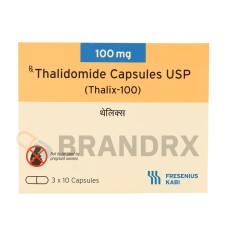

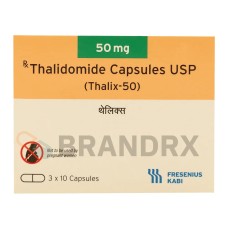
Overview of Thalidomide: A Multifaceted Drug in Today's Landscape
Thalidomide, a drug originally developed in the late 1950s, has had a storied history marked by both tremendous promise and significant ethical controversy. Initially marketed as a sedative and later promoted for alleviating morning sickness in pregnant women, Thalidomide was quickly withdrawn from the market due to the catastrophic birth defects associated with its use during pregnancy. However, the drug has since been rediscovered and repurposed for various medical applications, particularly in treating conditions such as multiple myeloma, leprosy, and certain inflammatory disorders. As healthcare continues to evolve, the role of Thalidomide in the pharmaceutical market remains significant, providing therapeutic benefits to specific patient populations while under careful regulation. Today, it is often appreciated for its anti-inflammatory and immunomodulatory properties, marking its place as a vital agent in targeted treatments where few alternatives exist.
Key Characteristics and Fundamental Principles of Thalidomide
Thalidomide belongs to a unique class of medications known as immunomodulatory drugs (IMiDs). It operates on specific pathways that regulate the immune system, making it effective in various therapeutic areas. The following are key characteristics and fundamental principles associated with Thalidomide and similar products:
- Mechanism of Action: Thalidomide modulates the immune response by inhibiting tumor necrosis factor-alpha (TNF-α), which plays a significant role in systemic inflammation and the immune response. This makes it particularly useful in conditions characterized by excessive inflammation.
- Indications: Primarily, Thalidomide is indicated for multiple myeloma and erythema nodosum leprosum, but ongoing research is exploring its potential in treating a variety of autoimmune diseases and cancers.
- Regulatory Restrictions: Due to its historical context, Thalidomide is subject to stringent regulatory guidelines. It is classified as a controlled substance and is available only through specialized programs to prevent its use during pregnancy.
- Contraindications: Thalidomide is contraindicated for certain populations, including:
- Pregnant women, as it can cause severe fetal deformities.
- Women of childbearing potential who are not using reliable contraceptive methods.
- Individuals with a history of hypersensitivity reactions to Thalidomide or any of its components.
- Patients with a history of deep vein thrombosis or pulmonary embolism may face increased risks of thrombosis while on Thalidomide.
Current Trends and Developments in the Market of Thalidomide
The landscape surrounding Thalidomide is dynamic, with ongoing research leading to new applications and therapeutic protocols. Currently, several trends are shaping the market for Thalidomide and similar medications:
1. Innovation in Treatment Plans: Recent studies are pivotal in defining new combinations of Thalidomide with other therapies, enhancing effectiveness while aiming to reduce side effects.
2. Regulatory Advances: Organizations like the FDA and EMA continue to adapt guidance surrounding the safe use of Thalidomide, creating robust risk management strategies to facilitate its use.
3. Growing Patient Populations: With the rise of autoimmune diseases and cancers worldwide, Thalidomide is witnessing a resurgence in interest, leading to diverse clinical studies that further elucidate its benefits across different conditions.
4. Education and Awareness: There’s a concerted effort by healthcare providers, pharmaceutical companies, and regulatory agencies to improve patient education regarding the risks and benefits associated with Thalidomide, especially in context to ensuring it is used safely.
Summarizing the Position of Thalidomide in Its Niche
Thalidomide occupies a unique position in the pharmaceuticals niche, characterized by its dual history of tragedy and triumph. Today, while its past continues to serve as a reminder of the importance of drug safety, its current applications provide hope and relief to many patients grappling with life-altering conditions. The careful balance of managing its use—ensuring it reaches those who can benefit while safeguarding vulnerable populations—defines Thalidomide's role within modern medicine. As further research unfolds, its contributions will likely expand, solidifying its significance in therapeutic strategies while continuing to reflect a commitment to ethical prescribing and patient safety. In sum, Thalidomide represents both an important medical breakthrough and a case study in the complexities of pharmaceutical development.