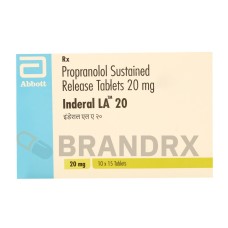

Understanding Propranolol Hydrochloride: Unifying Principles and Key Features
Propranolol Hydrochloride represents a class of medications known as beta-blockers, renowned for their remarkable effects on the cardiovascular system. This group of products shares common operational principles encapsulated in their ability to block the action of adrenaline on beta-adrenergic receptors. The result is a significant reduction in heart rate, cardiac output, and blood pressure, making Propranolol Hydrochloride a sought-after choice for various medical conditions, particularly those linked to heightened stress responses.
Beyond their primary cardiac functions, products in this category are notable for their therapeutic versatility. They are frequently prescribed not just for hypertension, but also for anxiety management, migraine prevention, and certain heart rhythm disorders. The key feature that unites these medications is their action on the sympathetic nervous system, creating a calming effect which is beneficial for both physical and emotional health. Thus, whether addressing the throbbing pain of migraines or the physiological responses to anxiety, Propranolol Hydrochloride stands out as a true multi-faceted solution in the medicinal landscape.
Forms and Variants of Propranolol Hydrochloride
Products in the Propranolol Hydrochloride category come in several forms to cater to diverse patient needs and preferences. The standard oral tablet is the most commonly prescribed form, available in varying dosages to adapt to different therapeutic requirements. For patients who struggle with swallowing pills, there are liquid formulations that make administration easier, particularly for children or those with specific health concerns. In some cases, extended-release capsules are available, allowing for once-daily dosing and promoting better adherence to treatment regimens.
Additionally, there are injectable forms of Propranolol Hydrochloride, often used in acute medical settings to rapidly control heart rate and blood pressure. Understanding these various forms is essential for patients and healthcare providers alike to ensure that the delivery method aligns with individual treatment plans and patient comfort.
The Uniqueness of Propranolol Hydrochloride Compared to Other Products
What sets Propranolol Hydrochloride apart from other medications is its unique mechanism of action and broad therapeutic applications. Unlike many other antihypertensive agents that primarily target vascular resistance or fluid balance, Propranolol Hydrochloride helps regulate heart function itself by directly affecting the autonomic nervous system. This not only aids in managing symptoms of hypertension but also plays a role in anxiety reduction and the prevention of panic attacks.
Furthermore, while other beta-blockers are available, Propranolol Hydrochloride remains distinct due to its long-standing track record in managing various conditions. Users considering treatment with Propranolol Hydrochloride should recognize its adaptability across both cardiac and non-cardiac symptoms. It is an excellent option for individuals seeking a medication that addresses multiple health concerns simultaneously without the need for multiple prescriptions.
Long-term Effects and Considerations for Use of Propranolol Hydrochloride
When it comes to long-term use, Propranolol Hydrochloride has proven to be effective for many patients; however, it’s essential to discuss potential side effects and contraindications with a healthcare provider. Prolonged usage can lead to challenges such as fatigue, cold hands and feet, or hypotension. It’s crucial for individuals with a history of respiratory issues, such as asthma, to approach treatment with caution, as beta-blockers can exacerbate breathing problems.
Moreover, this group of medications is generally not recommended for pregnant or breastfeeding women without careful consideration due to potential risks to the fetus or child. Additionally, children should use Propranolol Hydrochloride only under strict medical supervision. Patients should thoroughly discuss their health history with their provider to determine if this medication aligns with their specific needs and conditions.
Practical Advice for Choosing and Using Propranolol Hydrochloride
When considering the initiation of treatment with Propranolol Hydrochloride, it is crucial to engage in an open dialogue with a healthcare professional. They can provide tailored insights based on individual health profiles, recommending the appropriate form and dosage that suits a patient’s unique situation. It is advisable to begin treatment at a lower dose and gradually adjust based on responsiveness and tolerability, allowing for a smooth introduction to the medication.
Regular monitoring is encouraged to assess the medication's effectiveness and make necessary adjustments. Patients should keep track of any side effects or unusual symptoms and communicate these promptly to their healthcare provider. Education about the medication's purpose, benefits, and potential side effects empowers users to manage their treatment proactively, ensuring the best possible outcomes while navigating their health journey.
In conclusion, Propranolol Hydrochloride is a versatile beta-blocker with significant therapeutic potential for various conditions. With an understanding of its forms, unique features, long-term effects, and practical usage advice, patients can make informed decisions about incorporating this medication into their health plans.