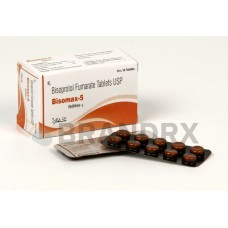

Bisoprolol: An Overview of Its Purpose and Functionality
Bisoprolol is a beta-blocker medication primarily used to manage cardiovascular conditions. Belonging to a class of drugs that block the effects of epinephrine (adrenaline), Bisoprolol helps to lower heart rate, reduce blood pressure, and improve blood flow. Its main task is to alleviate symptoms related to heart-related disorders, such as hypertension (high blood pressure) and heart failure. By managing these symptoms, Bisoprolol enhances the overall quality of life for its users, helping to prevent complications associated with cardiovascular diseases.
Target Audience and Areas of Use for This Medication
Bisoprolol is designed for individuals dealing with specific health concerns, primarily heart-related issues. It is commonly prescribed for adults who suffer from hypertension or chronic heart failure. More specifically, the target audience includes older adults and middle-aged individuals who often face elevated heart rates and blood pressure due to age-related factors or other health conditions.
Furthermore, Bisoprolol is commonly utilized in patients who have had a heart attack or those diagnosed with atrial fibrillation. Its ability to regulate heart rate makes it a vital treatment option for these populations, contributing significantly to the prevention of severe complications arising from heart diseases.
It is crucial to note that proper consultation with a healthcare professional is necessary before starting any regimen that includes Bisoprolol. Certain groups should avoid this medication, including:
- Pregnant or breastfeeding women, as there may be potential risks to the infant.
- Children, as specific safety and efficacy data may be lacking.
- People with specific conditions such as asthma, severe bradycardia (slow heart rate), or severe liver disease.
- Individuals with a known allergy to beta-blockers.
Key Benefits of Bisoprolol
Bisoprolol offers a myriad of benefits for individuals suffering from hypertension and heart-related ailments. Below are some of the key advantages that highlight its significance:
- Effective Blood Pressure Control: Bisoprolol is highly effective in lowering blood pressure, which ultimately reduces the risk of heart attack and stroke.
- Improved Heart Function: For patients with heart failure, it helps enhance heart function and improve symptoms such as fatigue and shortness of breath.
- Enhanced Quality of Life: By managing heart rate and blood pressure, users often experience an overall improvement in their daily activities and lifestyle.
- Reduction in Cardiac Events: Regular use of Bisoprolol can lead to a notable decrease in the likelihood of fatal and non-fatal cardiac events.
- Long-Term Safety Profile: Bisoprolol has an established record of safety and tolerability for long-term use among patients with cardiovascular issues.
Core Value and Essential Benefits of Beta-Blockers
The core value of medications like Bisoprolol lies in their ability to promote optimal cardiac health while significantly reducing the risks linked to heart diseases. The essential benefits provided by beta-blockers can be summarized as:
- Protection Against Heart Complications: By regulating heart rate and blood pressure, Bisoprolol provides substantial protection against potential heart-related complications.
- Personalized Treatment Options: Beta-blockers offer tailored treatment regimens for individuals based on their specific health conditions, making it easier for healthcare providers to enhance patient outcomes.
- Convenience of Use: Bisoprolol is typically easy to integrate into daily routines, available in various forms that minimize the complexity of treatment adherence.
- Support for Holistic Health Management: Overall cardiovascular health can lead to improvements in overall well-being, facilitating a comprehensive approach to personal health management.
In conclusion, Bisoprolol serves as a pivotal medication in treating cardiovascular conditions, aimed at ensuring a healthier and longer life for patients susceptible to heart-related issues. Its myriad of benefits reinforces the importance of consulting healthcare professionals to optimize individualized treatment strategies.