






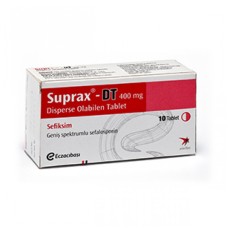

Cefixime: An Overview of a Comprehensive Antibiotic
Cefixime is a third-generation cephalosporin antibiotic that is used to treat various bacterial infections. It functions by inhibiting the synthesis of bacterial cell walls, effectively leading to the death of the bacteria. This class of antibiotics is renowned for their broad-spectrum activity, targeting a wide range of Gram-positive and Gram-negative bacteria. Cefixime, in particular, is known for its oral bioavailability and patient-friendly dosing schedule, making it an effective choice for both healthcare providers and patients.
The key features common to the Cefixime group include their ability to combat resistant strains of bacteria, ease of dosing (often once or twice daily), and relatively reduced side effects compared to older antibiotics. Furthermore, Cefixime is particularly distinguished by its high tissue penetration, ensuring that it reaches the sites of infection effectively. This makes it a reliable option for treating a variety of infections, such as those affecting the respiratory tract, urinary tract, and certain types of gonorrhea.
Types and Forms of Cefixime Products
Cefixime is primarily available in oral formulations, which include tablets, capsules, and an oral suspension. The tablet and capsule forms are typically prescribed for adults, whereas the oral suspension is especially designed for pediatric use or for patients who have difficulty swallowing pills. This flexibility in formulation allows healthcare providers to tailor the treatment to the specific needs of their patients. Moreover, Cefixime is also available in various dosages, making it adaptable for a range of conditions and severity levels of infections.
Some common brands under which Cefixime is marketed include Suprax, which is particularly well-known in many countries. These variations allow better access to the medication depending on the region, which is crucial for patients who need timely antibiotic treatment.
Cefixime Compared to Other Antibiotic Categories
Cefixime distinguishes itself from other antibiotic categories, such as penicillins and macrolides, through its molecular structure and the spectrum of bacteria it targets. Unlike penicillins, Cefixime is less likely to encounter resistance, especially in cases of common infections such as strep throat or urinary tract infections. Users should consider Cefixime for their needs due to its effectiveness in treating infections that may not respond to other classes of antibiotics, primarily due to its ability to target both aerobic and anaerobic bacteria effectively.
Additionally, the pharmacokinetic and pharmacodynamic properties of Cefixime allow for a longer half-life compared to some other antibiotics, meaning that it remains effective in the body longer, which can contribute to better compliance among patients. Its versatility and effectiveness within its class make Cefixime a preferred choice for healthcare providers treating a wide variety of bacterial infections.
Long-Term Effects and Contraindications of Cefixime Use
While Cefixime is generally well-tolerated, there are certain long-term effects and contraindications that patients should be aware of. Long-term use of antibiotics can lead to an imbalance in the microbial flora, resulting in issues such as antibiotic-associated diarrhea or the overgrowth of resistant bacteria. As such, it is crucial to use Cefixime judiciously and only under the guidance of a healthcare professional.
Contraindications for Cefixime include known allergies to cephalosporins or severe reactions to penicillin. Additionally, it is not typically recommended for use in pregnant women unless the benefits outweigh the risks, as there is limited data on its safety during pregnancy. Cefixime is also not recommended for children under certain ages, as the formulations may not be suitable for very young patients. Those with severe renal impairment should also avoid its use unless closely monitored by a healthcare provider.
Choosing and Using Products in the Cefixime Family
When considering starting a treatment with Cefixime, patients should consult their healthcare provider to discuss their specific health conditions and medication history. It is essential to ensure that Cefixime is the appropriate antibiotic for the type of bacterial infection being treated. The choice of formulation—whether tablet, capsule, or oral suspension—should be made based on the patient’s age, ability to take medications, and any concurrent health concerns.
Additionally, adherence to the prescribed regimen is crucial for maximizing the effectiveness of Cefixime and preventing antibiotic resistance. Patients should complete the entire course of the antibiotic as directed, even if they start feeling better before finishing the medication. If any side effects occur, or if symptoms do not improve within a few days, it’s vital to contact the healthcare provider for further advice.
In summary, Cefixime represents a powerful option within the antibiotic landscape, with its unique properties and formulations designed for a variety of patient needs. Understanding its uses, limitations, and the importance of proper administration can lead to better health outcomes and contribute to effective bacterial infection management.