

Understanding Propranolol: Uniting Principles and Key Features
Propranolol is a non-selective beta-blocker, a category of medications primarily designed to manage various heart conditions and anxiety-related disorders. The universal principle that unites all products within the Propranolol range is their mechanism of action: they block the effects of adrenaline (epinephrine) on beta receptors, which are found in the heart, lungs, and blood vessels. This action effectively reduces heart rate, blood pressure, and the workload on the heart, leading to various therapeutic effects. Propranolol is characterized by its ability to diminish physical symptoms of anxiety, prevent migraines, and manage hypertension and cardiac arrhythmias among other medical conditions. Key features common to this medication class include its extended release, oral formulations, and its pharmacokinetic profile suitable for both short-term and long-term use.
Common Forms of Propranolol Products
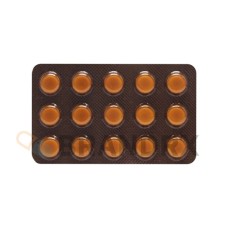
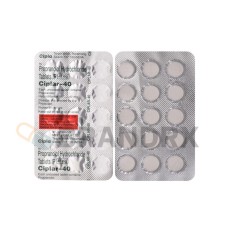
Propranolol is available in several distinct forms, catering to diverse patient needs and preferences. The most common forms include immediate-release tablets and extended-release capsules. Immediate-release tablets are often prescribed for acute treatment situations where rapid symptom relief is necessary, such as in episodic anxiety or the control of rapid heart rates. On the other hand, extended-release capsules offer the benefit of sustained beta-blocking effects, ideal for managing chronic conditions like hypertension and long-term anxiety disorders. Additionally, Propranolol is sometimes available in liquid formulations for patients who have difficulties swallowing pills. This variety ensures that healthcare providers can tailor the treatment plan to specific patient requirements, promoting better adherence and outcomes.
Why Choose Propranolol Over Other Medications?
Propranolol is distinguished from other medication categories—particularly selective beta-blockers and anti-anxiety agents—by its broad spectrum of applications and its unique ability to help manage both psychological and physiological symptoms. Unlike selective beta-blockers, which target specific beta receptors, Propranolol acts on both β1 and β2 receptors, making it effective for a wider variety of conditions. Users may consider Propranolol if they are looking for a medication that not only tackles heart-related issues but also addresses anxiety symptoms and migraine prevention without the stimulating effects associated with other treatments. For individuals suffering from performance anxiety, for instance, Propranolol’s ability to counteract physical symptoms like tremors and rapid heartbeat is particularly beneficial, especially when compared to traditional anxiolytics or sedatives that primarily address psychological aspects without targeting physical manifestations.
Long-Term Effects and Cautions for Propranolol Use
Long-term users of Propranolol may experience various benefits when adhering to prescribed treatment plans, including stabilized blood pressure, reduced frequency of migraines, and improved anxiety management. However, potential long-term side effects may also arise, including fatigue, dizziness, or bradycardia (slower heart rate). It is essential for patients to be aware of certain contraindications associated with Propranolol. Pregnant women should avoid it unless absolutely necessary, as it may impact fetal development. Additionally, contraindicated conditions include severe asthma or chronic obstructive pulmonary disease (COPD) due to its potential to exacerbate bronchospasms. Individuals with certain heart blockages or those taking other medications affecting heart function should also exercise caution. Medical consultation is crucial for anyone considering Propranolol to ensure it aligns with their health condition and other medications.
Practical Tips for Choosing and Starting Propranolol
When considering Propranolol as part of your treatment regimen, it’s essential to engage in a thorough discussion with your healthcare provider regarding your specific symptoms and medical history. Begin by expressing any concerns or previous experiences with medications. The dosage and form of Propranolol may vary significantly based on individual needs, so medical guidance is vital in determining the right choice. It’s also advisable to follow prescribed dosages strictly and attend regular follow-up appointments to monitor the medication's effects and any potential side effects. If you experience adverse effects or if there’s no noticeable improvement over a specified period, communicate this to your doctor, who may consider adjusting your dose or switching medications. Adhering to lifestyle recommendations such as diet and exercise can also enhance the overall effectiveness of Propranolol treatments, fostering a better quality of life.