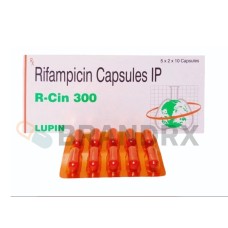

Understanding Rifampicin: The Unifying Elements of This Class of Products
Rifampicin is a powerful antibiotic that unites a range of products designed to combat specific bacterial infections. The primary action of Rifampicin lies in its ability to inhibit bacterial RNA synthesis, making it an essential partner in the treatment of conditions such as tuberculosis and various other infections caused by susceptible organisms. Common to all products in the Rifampicin category, these formulations exhibit rapid absorption and a broad spectrum of activity against both gram-positive and gram-negative bacteria.
The effectiveness of Rifampicin largely stems from its unique mechanism of action, where it selectively binds to the bacterial DNA-dependent RNA polymerase, obstructing the transcription process. As a result, the synthesis of essential proteins that bacteria need to thrive is significantly impaired. This antibiotic is typically used in combination with other treatments to enhance efficacy and reduce the risk of developing drug resistance, making it a cornerstone in the modern treatment landscape for serious bacterial infections.
Key features that are consistent across the Rifampicin group include its relatively high bioavailability, a property that allows for efficient dosing, and its ability to penetrate various tissues and bodily fluids. This feature is particularly important when deep-seated infections are involved, as it ensures that the medication reaches the site of infection effectively. Additionally, products containing Rifampicin are often characterized by their dosage forms, which can range from capsules to injectables, thereby accommodating patient needs and preferences.
The Forms and Variants of Rifampicin Products
Rifampicin is available in several forms that cater to diverse treatment requirements. The most common forms include oral capsules and tablets, which are widely prescribed for outpatient treatment of infections. The oral route is generally preferred due to its convenience and ease of administration, ensuring that patients can adhere to their treatment schedules effectively.
In addition to oral formulations, Rifampicin can also be provided as an injectable option. This is particularly crucial for patients who require immediate treatment in a hospital setting or those unable to take oral medications due to various reasons. Continuous intravenous options may be available, offering healthcare providers flexibility in how they administer the antibiotic based on the patient’s condition.
Furthermore, the combination of Rifampicin with other antibiotics in multi-drug regimens is not uncommon. This approach not only enhances the therapeutic effectiveness but also minimizes the risk of resistance, making it a cornerstone in treating conditions like multidrug-resistant tuberculosis.
Why Choose Rifampicin: Distinguishing Features
Rifampicin stands out from other antibiotic categories due to its specific targeting and effectiveness against certain infectious diseases, notably tuberculosis. Unlike many antibiotics that have a more generalized action, Rifampicin's mechanism is highly specialized, ensuring rapid bacterial eradication, particularly in environments where traditional treatments may falter.
Moreover, the propensity for Rifampicin to penetrate biofilms—clusters of bacteria that become resistant to treatment—offers a significant advantage over other antibiotics. This quality positions Rifampicin as a preferred choice for treating persistent infections where conventional antibiotics may fail. Treatment regimens incorporating Rifampicin can achieve remarkable outcomes, particularly in populations burdened by high rates of drug-resistant infections.
Long-term Effects and Contraindications of Rifampicin
The long-term use of Rifampicin can lead to profound impacts on both the body and the treatment landscape for bacterial infections. While it is highly effective, some potential long-term effects may include alterations in liver function, necessitating regular monitoring during extended therapy. Patients may also experience gastrointestinal disturbances or skin reactions, which should be addressed promptly.
However, Rifampicin is not suitable for everyone. Specific contraindications include individuals with a known hypersensitivity to the drug, liver dysfunction, and those on certain medications that may adversely interact with Rifampicin, such as some anticoagulants and anticonvulsants. Pregnant women and young children should also avoid using Rifampicin unless absolutely necessary and supervised by a healthcare provider.
Practical Advice for Starting and Choosing Rifampicin Products
When considering the use of Rifampicin products, it is imperative to consult with a healthcare provider who can tailor the treatment plan to your individual health needs. In addition to addressing the type and dosage, your provider can help navigate potential complexities that might arise from existing health conditions or concurrent medications.
Starting treatment should involve a comprehensive examination of the patient's medical history and current health status to ensure optimal outcomes. Patients are urged to communicate any previous allergic reactions, liver issues, or other underlying conditions that could impact the use of Rifampicin.
It's also essential to adhere strictly to the prescribed dosage and schedule, as inconsistent use can lead to decreased efficacy and increased resistance. Patients should be vigilant about follow-up appointments, which would typically include liver function tests and discussions about symptomatic responses to the medication.
In conclusion, Rifampicin remains a potent and crucial antibiotic in the treatment of specific bacterial infections. With careful consideration and clinical oversight, it can serve as a valuable tool in mitigating disease burden and improving patient outcomes.