
Understanding Carvedilol: An Overview of its Core Features
Carvedilol is a non-selective beta-blocker medication that serves a dual purpose in the management of cardiovascular health, specifically heart failure and hypertension. Its unique mechanism combines beta-adrenergic blocking and alpha-1 adrenergic antagonism, making it an essential therapeutic agent. The drug works by relaxing blood vessels and reducing heart rate, which collectively leads to decreased blood pressure and diminished workload on the heart. Commonly prescribed in both tablet and capsule forms, Carvedilol is favored for its efficacy and cardiovascular protective properties. Patients using Carvedilol may experience enhancement in heart function and overall health stability, representing a vital choice in the realm of heart medication.
Forms of Carvedilol: Types and Administration Methods
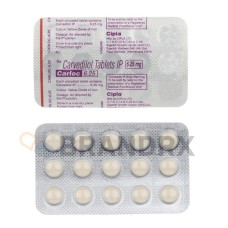
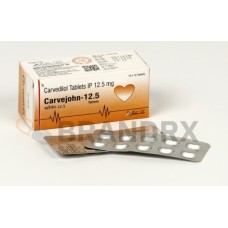
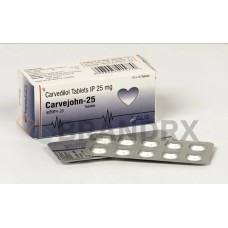
Carvedilol is primarily available in oral formulations, with doses typically ranging from 3.125 mg to 25 mg in both immediate-release and extended-release formats. The immediate-release tablets are taken twice a day, allowing for flexible dosing adjustments tailored to the individual patient’s needs. The extended-release version, while less common, offers the convenience of once-daily dosing. This adaptability in forms ensures that patients can easily incorporate Carvedilol into their daily routines, enhancing adherence to their prescribed regimens. In addition to standard tablets, Carvedilol is available in compounded preparations for those requiring specific dosages or alternative forms of administration, further improving patient accessibility.
Why Carvedilol Stands Out Among Cardiovascular Medications
Carvedilol's distinctive mechanism of action sets it apart from other beta-blockers and cardiovascular medications. While traditional beta-blockers primarily block beta-1 and beta-2 receptors, Carvedilol also antagonizes alpha-1 receptors, promoting vasodilation and superior blood pressure control. This combination leads to both hemodynamic benefits and improved exercise tolerance in patients suffering from chronic heart failure. Unlike some other medications in this category, Carvedilol is also associated with providing metabolic advantages, such as reducing insulin resistance. These characteristics make it an attractive option for patients needing both heart rate control and blood pressure management, especially among those who may be resistant to other treatments.
Long-Term Effects and Considerations for Carvedilol Use
When considering the long-term effects of Carvedilol, patients often note significant improvements in heart-related symptoms and a reduction in hospitalizations due to heart failure exacerbations. Nonetheless, specific contraindications apply. Carvedilol is not recommended for individuals with serious asthma or chronic obstructive pulmonary disease (COPD), as it may exacerbate respiratory conditions due to its non-selective beta-blocking activity. Furthermore, the medication should be cautiously administered to patients with severe hepatic impairment. As with any medication, pregnant women, nursing mothers, and pediatric patients should discuss options with healthcare professionals to ensure safety and efficacy.
Practical Tips for Using Carvedilol Effectively
When starting on Carvedilol, it's crucial for patients to follow their healthcare provider's instructions closely. It is recommended to start with a low dosage and gradually increase based on the physician's advice, monitoring blood pressure and heart rate regularly. Patients should be aware of common side effects, which may include dizziness, fatigue, and gastrointestinal issues, especially during the initial days of treatment. Maintaining a healthy lifestyle—such as a balanced diet, regular exercise, and avoiding alcohol—can enhance the benefits of Carvedilol and support heart health. Encouraging open communication with healthcare practitioners about any unusual symptoms or concerns will further ensure that Carvedilol achieves its intended therapeutic outcomes effectively.