

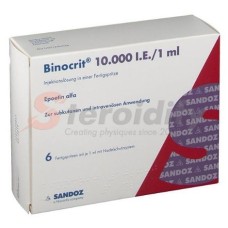
Erythropoietin: An Introduction to Its Role and Market Presence
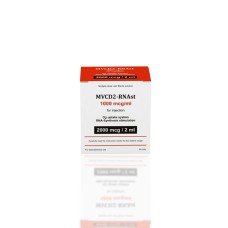
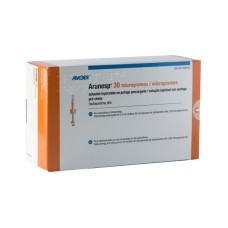
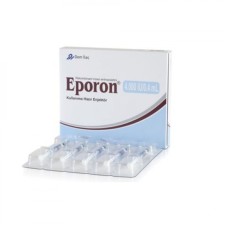
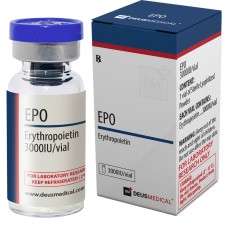
Erythropoietin, often abbreviated as EPO, is a vital glycoprotein hormone primarily produced by the kidneys. Its primary role in the human body is to regulate erythropoiesis, the process of red blood cell production in the bone marrow. EPO stimulates the production of red blood cells in response to low oxygen levels in the bloodstream, playing a crucial role in maintaining adequate oxygenation of tissues. This natural hormone has significant implications not just within the medical field, but it also holds a unique position in various markets, including pharmaceutical, sports, and wellness sectors.
In the medical market, Erythropoietin is extensively utilized to treat conditions such as chronic kidney disease, anemia, and certain cancers, improving patients' quality of life and reducing the risk of complications associated with low red blood cell counts. Athletes and fitness enthusiasts have also shown interest in EPO for its potential performance-enhancing effects, although its use in sports is controversial and prohibited by most regulatory bodies.
From a consumer perspective, understanding Erythropoietin is essential not only for those who require medical intervention but also for anyone interested in maintaining optimal health and performance levels. With the advancement of biotechnology, Erythropoietin has become accessible in various formulations, including synthetic versions that mimic the body's natural production, thus expanding its availability and applications.
Key Characteristics of Erythropoietin Products
- Indications for Use: Erythropoietin products are typically indicated for patients with anemia, particularly in those undergoing dialysis for chronic kidney disease. They may also be used to support disease-related anemia in cancer patients.
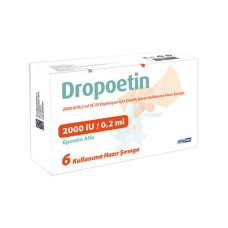
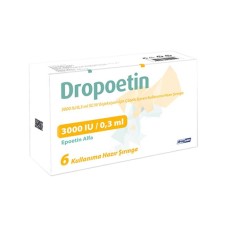
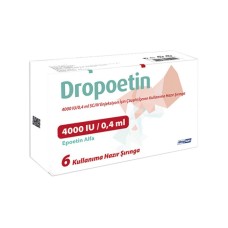
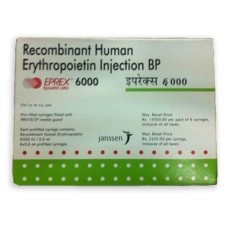
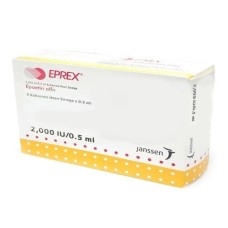
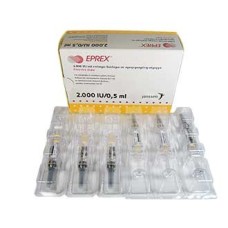
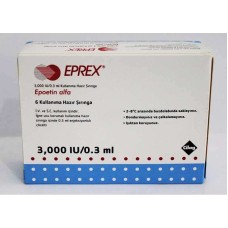
- Forms Available: EPO is available in various forms, including injections, which can be administered subcutaneously or intravenously. Different formulations may have slightly varying dosing schedules and efficacy.
- Monitoring Requirements: Patients receiving Erythropoietin therapy often require regular monitoring of blood hemoglobin levels to ensure appropriate dosing and to mitigate the risk of adverse effects such as hypertension.
- Contraindications: Certain populations should avoid Erythropoietin use. This includes:
- Pregnant women: The safety of Erythropoietin during pregnancy has not been established.
- Children: Pediatric use must be approached with caution due to varying physiological responses.
- Individuals with uncontrolled hypertension: Erythropoietin can elevate blood pressure.
- Patients with certain cancers: EPO can potentially accelerate tumor growth in some malignancies.
- Adverse Effects: Common side effects include hypertension, headache, and flu-like symptoms. Serious risks may involve thromboembolic events, particularly when hemoglobin levels rise quickly or exceed safe thresholds.
Current Trends and Developments in Erythropoietin
The landscape of Erythropoietin continues to evolve with significant advancements in biotechnology and a deeper understanding of its mechanisms. One notable trend is the ongoing research aimed at developing long-acting EPO formulations. These extended-release versions promise to reduce the frequency of dosing while maintaining effective hemoglobin levels, ultimately improving adherence and patient quality of life.
Moreover, the advent of biosimilars has made Erythropoietin therapy more accessible and affordable, enabling broader demographic reach. Regulatory approvals for these alternatives enhance competition in the market, potentially lowering costs for patients and healthcare systems alike. As biosimilars enter the market, they may redefine treatment protocols and patient management strategies, fostering an environment that emphasizes personalized anemia care.
In the realm of sports, the dialogue surrounding Erythropoietin remains high. Stricter testing measures and athlete education aim to curb the illicit use of EPO as a performance-enhancing substance. Despite these efforts, the controversy persists, making the ethical implications of its use an ongoing topic of interest among sports organizations, athletes, and the public.
The Significance of Erythropoietin in Its Niche
Erythropoietin occupies a crucial niche within both the medical and sports markets. In healthcare, it represents an essential tool for managing anemia and improving the quality of life for patients with chronic conditions. Its capacity to stimulate red blood cell production makes it an indispensable component in the therapeutic arsenal against anemia-related complications.
Furthermore, as advancements in biotechnology continue to flourish, the potential for EPO to be used beyond traditional applications expands, fostering a greater understanding of its role in human health. Market dynamics are shifting, driven by increased awareness, the advent of biosimilars, and ongoing research into its broader applications.
In essence, Erythropoietin encapsulates a multifaceted approach to blood health, embracing the complexities of both therapeutic innovation and ethical considerations within sport. As consumers and healthcare providers navigate the landscape of EPO, understanding its benefits, risks, and evolving dynamics in the market will be pivotal for informed decision-making. Whether utilized for medical benefits or scrutinized within athletic contexts, Erythropoietin undeniably holds a significant place in contemporary health discourse.