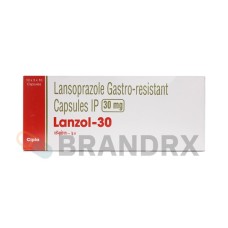

Lansoprazole — General information
Lansoprazole is a widely recognized proton pump inhibitor (PPI) that is primarily utilized in the treatment of various gastrointestinal disorders. First approved for clinical use in the 1990s, it has become a critical component in managing conditions related to excessive stomach acid production. As an anabolic agent, Lansoprazole plays a distinct role in the realm of sports pharmacology, where it is utilized by athletes looking to maximize their performance and gain muscle mass. The medication works by inhibiting the proton pump in the stomach lining, effectively reducing the production of gastric acid. This reduction can be beneficial for athletes who experience gut-related issues due to high-intensity training or specific dietary practices.
Lansoprazole is available in various forms, such as capsules and orally disintegrating tablets. Each formulation provides flexibility in dosing and administration, making it accessible for a wide range of users. Furthermore, it is essential to note that Lansoprazole should be used under medical supervision, as the implications of its use can vary based on an individual's health status and specific needs. While it is relatively safe and effective when used appropriately, it is crucial for users to be fully informed about its effects and regulations concerning its use in sports.
Pharmacological properties
The pharmacological properties of Lansoprazole highlight its efficacy as a proton pump inhibitor and its impact on gastric acid secretion. Lansoprazole works by binding to the H+/K+-ATPase enzyme system of the gastric parietal cell, effectively blocking the final step of acid production. This action not only decreases acid secretion but also improves the overall pH of the gastrointestinal environment. The altered acidity levels can contribute to enhanced nutrient absorption and reduced discomfort in the gastrointestinal tract, which is valuable for athletes undergoing rigorous training regimens.
In terms of pharmacokinetics, Lansoprazole is well-absorbed after oral administration, with peak plasma concentrations typically occurring within 1.5 to 2 hours. Its half-life allows for once-daily dosing in most cases, which is ideal for maintaining consistent levels of the drug in the body. The onset of action can vary but generally begins within one to two hours post-administration. Lansoprazole's metabolism primarily occurs in the liver, and it is excreted predominantly through the urine. This metabolic pathway illustrates the importance of considering liver function when determining suitability for use in athletes.
Indications for the use of Lansoprazole
Lansoprazole is indicated for the treatment of several gastrointestinal disorders characterized by excessive acid secretion. These include conditions such as gastroesophageal reflux disease (GERD), peptic ulcers, and Zollinger-Ellison syndrome. Athletes may particularly benefit from Lansoprazole, especially if they have a history of or are predisposed to acid reflux or ulcerative conditions due to their training intensity and diet-related practices.
- Gastroesophageal reflux disease (GERD): Helps manage symptoms related to reflux and esophagitis.
- Peptic ulcers: Aids in healing gastric and duodenal ulcers, providing relief from associated symptoms.
- Zollinger-Ellison syndrome: Treats this rare condition marked by excessive stomach acid production.
- Stress ulcers: May help in preventing mucosal damage in critically ill patients.
The application of Lansoprazole within the athletic community highlights its significance in managing digestive health, which is crucial for optimal performance. Ensuring an athlete's gastrointestinal tract functions efficiently allows for better nutrient absorption and overall energy levels during training sessions. Thus, incorporating Lansoprazole into an athlete's regimen can maximize their training efficacy and support recovery processes.
Method of administration
The method of administration for Lansoprazole is straightforward, as it is typically taken orally. The capsules or tablets should be swallowed whole, preferably before meals to enhance absorption and effectiveness. For those who choose to buy Lansoprazole online, it is recommended to adhere strictly to the prescribed dosage and frequency to achieve optimal therapeutic outcomes. Commonly, a dosage of 15 to 30 mg per day is sufficient for most indications, although healthcare providers may adjust this based on individual patient needs.
In situations where an athlete experiences severe symptoms, a healthcare professional might recommend an increased dosage or a more intensive cycle of Lansoprazole. However, it’s essential to approach such modifications with caution and under medical supervision to avoid potential complications or interactions with other medications or dietary supplements often utilized in sports.
Contraindications for the use of Lansoprazole
While Lansoprazole is generally safe for many individuals, there are contraindications that potential users must be aware of. It is contraindicated in individuals who are hypersensitive to Lansoprazole or other PPIs, as this could result in severe allergic reactions. Additionally, the use of Lansoprazole is not recommended in cases of severe liver disease or dysfunction, as its metabolism may be significantly impaired, leading to elevated levels of the drug in the body.
- Hypersensitivity to Lansoprazole or other PPIs: Can lead to adverse reactions.
- Severe liver disease: Increased risk of toxicity and side effects.
- Pregnancy and breastfeeding: Limited data available; consult healthcare provider.
Before starting a Lansoprazole cycle, athletes should thoroughly discuss their complete medical history with healthcare professionals to identify any personal contraindications or risk factors. This inclusive assessment ensures that using Lansoprazole as part of an athletic regimen is both safe and effective, enhancing overall health and performance potential.
Possible side effects
Like any medication, Lansoprazole is not without its potential side effects. Most users tolerate Lansoprazole well, but some may experience adverse reactions. Common side effects include headache, diarrhea, nausea, and abdominal pain. While these effects are usually mild and transient, they can impact an athlete's performance if they occur frequently.
- Headache: A common side effect reported by users.
- Diarrhea: May occur, potentially affecting hydration levels and nutrient absorption.
- Nausea and abdominal pain: Could disrupt training or recovery.
More serious side effects are rare but can include kidney-related complications, vitamin B12 deficiency, and an increased risk of certain gastrointestinal infections. Athletes should be vigilant about these side effects and report any significant changes in health to their healthcare provider promptly. Understanding the potential risks associated with Lansoprazole ensures athletes can make informed decisions about their health and performance goals.
Buy Lansoprazole online on our sports pharmacology website in the UK
If you are considering the use of Lansoprazole as part of your training regimen, it is essential to ensure that you buy Lansoprazole from a reputable source. Our sports pharmacology website offers Lansoprazole available for purchase in the UK, ensuring that you receive a high-quality product that meets the required safety standards.
By choosing to buy Lansoprazole from us, you can easily access the medication in the dosage that suits your specific needs. Additionally, our website provides comprehensive information about how to use Lansoprazole effectively, along with guidelines for its proper administration, to support your athletic performance. As always, we recommend consulting with a healthcare provider prior to starting any new medication or supplement regimen to guarantee its safety and effectiveness for your personal health journey.