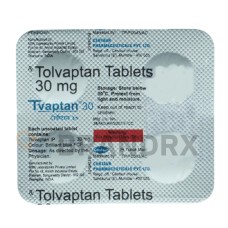


Tolvaptan: An Overview of Its Role and Impact
Tolvaptan is a selective vasopressin V2 receptor antagonist primarily used in the treatment of conditions related to the kidneys, particularly autosomal dominant polycystic kidney disease (ADPKD) and heart failure. This innovative medication works by inhibiting the effects of vasopressin, a hormone that contributes to water retention in the body. By blocking this hormone, Tolvaptan effectively promotes water excretion, leading to a reduction in blood volume and, consequently, a decrease in blood pressure. This mechanism plays a crucial role in managing fluid balance and preventing complications in patients with specific renal and cardiovascular conditions.
The introduction of Tolvaptan into the pharmaceutical market has marked a significant advancement in the management of kidney-related ailments. It has transformed the treatment landscape for patients suffering from ADPKD, offering hope for slowing the progression of renal disease and enhancing the quality of life. As awareness of kidney diseases grows, Tolvaptan has become a vital part of treatment regimens, signifying a shift towards targeted therapies that address the underlying pathophysiology rather than merely alleviating symptoms.
Key Characteristics of Vasopressin V2 Receptor Antagonists
Vasopressin V2 receptor antagonists, including Tolvaptan, exhibit several key characteristics that define their group. These features emphasize the therapeutic benefits and highlight specific contraindications that must be observed when prescribing this class of medications. Below are fundamental principles and common characteristics shared by products in this category:
- Mechanism of Action: As vasopressin V2 receptor antagonists, these drugs block the action of vasopressin at the renal collecting ducts, facilitating diuresis, which helps manage hypervolemia and edema.
- Formulation and Dosage: Typically available in oral tablet forms, the dosage of Tolvaptan and similar agents must be carefully calibrated to achieve the desired therapeutic effect while minimizing potential side effects.
- Indications: Commonly prescribed for conditions like heart failure and ADPKD, they are indicated specifically in cases where fluid overload is a concern.
- Contraindications: Usage is generally contraindicated in pregnant women, neonates, and individuals with certain medical conditions. Specific circumstances include:
- Pregnant and breastfeeding women due to potential risks to fetal and neonatal development.
- Children under a certain age, where the safety and efficacy of the drug may not be established.
- Individuals with severe liver impairment, as this condition can affect the drug's metabolism and clearance.
- Patients with known hypersensitivity to Tolvaptan or any of its components, which could lead to allergic reactions.
Current Trends and Developments in the Tolvaptan Market
The market for Tolvaptan and related vasopressin V2 receptor antagonists is witnessing significant growth, driven by advances in research and increasing prevalence of kidney-related disorders. As the understanding of ADPKD and other conditions evolves, healthcare providers are more inclined to prescribe Tolvaptan due to its ability to effectively delay disease progression. Current trends influencing the market include:
1. **Increased Research and Studies:** Ongoing clinical trials are paving the way for new indications and formulations of Tolvaptan beyond its current uses. Investigations are actively exploring its potential in treating other forms of nephropathy and fluid overload conditions.
2. **Personalized Medicine:** Tailoring treatment plans to individual patient profiles is becoming a standard, and Tolvaptan's role is being enhanced through pharmacogenomic studies to optimize therapeutic outcomes.
3. **Rising Awareness:** Continuous education for healthcare professionals and patients regarding the importance of early diagnosis and intervention in kidney diseases is fostering greater acceptance and usage of Tolvaptan in treatment protocols.
4. **Sustainability and Access:** Companies are focusing on improving the accessibility of Tolvaptan, particularly in low-income regions where kidney diseases are prevalent yet often go untreated.
The Place of Tolvaptan in the Healthcare Landscape
Tolvaptan occupies a pivotal position in the realm of nephrology and cardiovascular care. Its emergence as an essential treatment for managing ADPKD and heart failure is a testament to the progress made in pharmaceutical science, particularly concerning targeted therapies that prioritize patient-centric outcomes. By enabling effective fluid management, Tolvaptan not only enhances the quality of life for patients but also potentially reduces the burden of disease progression within healthcare systems.
In summary, Tolvaptan represents a significant breakthrough in the management of fluid retention-related conditions, and its unique mechanism of action helps bridge the gap between symptom alleviation and disease modification. As the healthcare landscape continues to evolve, Tolvaptan is projected to maintain its relevance through ongoing innovations, expanded indications, and a commitment to improving patient care across diverse populations. Understanding its characteristics, applications, and the constraints around its use ensures that healthcare providers can make informed decisions, ultimately aiming to enhance treatment outcomes for patients with kidney and cardiovascular disorders.