

Liraglutide: Understanding Its Unified Principles and Features
Liraglutide is a medication primarily used to manage type 2 diabetes and obesity, characterized by its unique mode of action. It belongs to the class of drugs known as GLP-1 receptor agonists, which mimic the function of the glucagon-like peptide-1 hormone found naturally in the body. This hormone plays a pivotal role in glucose metabolism, enhancing insulin secretion in response to meals and reducing glucagon release, which subsequently lowers blood sugar levels. The design of Liraglutide ensures that it promotes a sense of satiety after meals, which leads to reduced food intake and weight loss.
Common features of products containing Liraglutide include their injectable format, a flexible dosing schedule, and the ability to improve glycemic control. These products are developed to provide effective solutions for patients struggling with weight management and diabetes by addressing the hormonal imbalances that contribute to these conditions. Their innovative formulations help maintain stable blood sugar levels, contributing to overall metabolic health. Furthermore, many patients appreciate the convenience of self-administering Liraglutide, making it a practical option for everyday management of their health.
Forms and Variants of Liraglutide Products
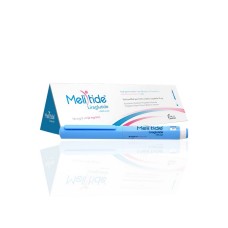
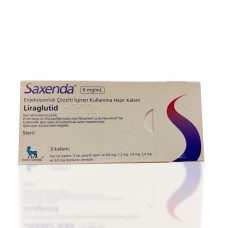
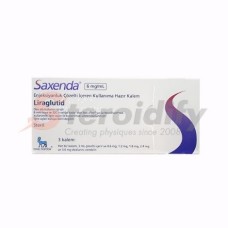
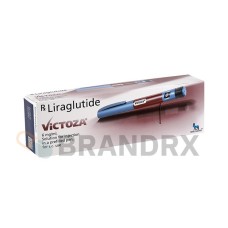
When looking at the different forms of Liraglutide available, there are primarily two significant formulations that patients may encounter—Saxenda and Victoza. Saxenda is particularly designed for chronic weight management in individuals with obesity or overweight issues, while Victoza is tailored more specifically for the management of type 2 diabetes. Both products share similar active ingredients but are prescribed for slightly different health outcomes and patient needs.
While both versions of Liraglutide come in injectable pens that ensure accurate dosing and ease of use, their recommended dosages and frequency of administration may vary based on the intended use. Saxenda is generally used in a greater daily dosage to facilitate weight loss, while Victoza is used at lower doses for blood sugar control. Understanding these distinctions is vital for potential users as it ensures they receive the correct treatment for their individual health objectives.
Liraglutide: A Distinct Choice Among Healthcare Solutions
What sets Liraglutide apart from other categories of diabetes medications or weight-loss drugs is its multifaceted approach to treatment. Unlike traditional treatment options that focus solely on insulin production or the reduction of glucose absorption in the gut, Liraglutide actively engages various mechanisms that influence appetite and metabolic processes. This comprehensive method not only helps in managing blood sugar levels but also offers substantial benefits for weight reduction, making it an attractive option for individuals facing both diabetes and obesity.
Moreover, Liraglutide's unique mode of action can lead to improved cardiovascular outcomes, a critical consideration for many patients. Research has shown that users of Liraglutide may experience reduced risks of heart-related complications, thereby broadening its appeal beyond simply being a diabetes or weight management medication. However, it’s crucial for patients to discuss with healthcare providers why Liraglutide might be a promising choice compared to other therapeutic options available on the market.
The Long-term Effects and Considerations for Liraglutide Use
Like any medication, Liraglutide’s long-term usage must be approached with caution. Clinical studies suggest that while its benefits for weight loss and glycemic control are sustainable, certain considerations must be taken into account. Long-term users of Liraglutide may experience side effects such as nausea, vomiting, and possible risks for pancreatitis. It's also essential for healthcare providers to identify patients who should avoid this medication. Individuals with personal or family histories of medullary thyroid carcinoma or Multiple Endocrine Neoplasia syndrome type 2 should not use Liraglutide due to potential adverse effects.
Additionally, Liraglutide is not designed for use by pregnant women or children, and its safety in these populations has not been thoroughly studied. Proper consultation with a healthcare provider ensures that patients can make informed decisions aligned with their health needs and circumstances.
Practical Guidance on Using and Choosing Liraglutide Products
For those considering Liraglutide, it's essential to keep a few practical points in mind to ensure an informed initiation of treatment. First and foremost, a thorough assessment by a healthcare professional is crucial. This assessment should cover medical history, existing health conditions, and personal health goals to determine if Liraglutide is the right fit. Blood sugar levels or body weight may need to be regularly monitored throughout the treatment course to evaluate effectiveness and adjust dosage accordingly.
Education about proper administration techniques is also key. Users should be familiar with how to store and properly dispose of injection pens, as well as understand the importance of adherence to the prescribed dosing schedule for optimal results. Lifestyle changes, including diet and exercise, can compound the beneficial effects of Liraglutide, so integrating a holistic health approach is advisable. Lastly, staying in regular communication with healthcare providers is essential to ensure ongoing support and adjustments as needed, keeping users on track toward achieving their health objectives.