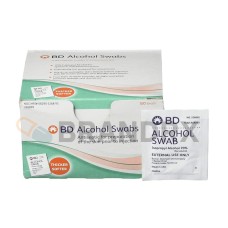

Isopropyl alcohol — General information
Isopropyl alcohol, commonly referred to as isopropanol or rubbing alcohol, is primarily known for its antiseptic properties and household applications. However, in the context of sports pharmacology, it has garnered attention for its potential role in enhancing athletic performance and recovery. Isopropyl alcohol is a colorless, flammable liquid with a characteristic odor, typically marketed for its ability to kill bacteria and viruses. It acts as a solvent, and its applications vary widely, ranging from cleaning surfaces and disinfecting skin to personal care products. Athletes and fitness enthusiasts may seek to buy Isopropyl alcohol for its purported benefits in post-exercise muscle recovery and preparation routines. It is also available in various concentrations, with the 70% solution being the most effective for disinfection purposes.
The use of isopropyl alcohol in sports is still an area of ongoing research. Many athletes believe that applying isopropyl alcohol to sore muscles may aid in alleviating minor aches and pains. While it is not a performance enhancer in the traditional sense, it may be viewed as an ancillary tool in an athlete’s recovery protocol. In addition to its application in sports, isopropyl alcohol is an essential component in several medical settings, where it is used as an antiseptic before surgical procedures and for sanitizing medical equipment. However, the focus here is more on its implications in sports rather than its medical uses. Ensuring the availability of quality isopropyl alcohol is crucial for those who incorporate it into their sporting routines, hence the increasing interest for individuals looking to buy Isopropyl alcohol in the UK.
Pharmacological properties
Isopropyl alcohol exhibits unique pharmacological properties that contribute to its effectiveness as an antiseptic and potential aid in muscle recovery. Its mechanism of action primarily involves the denaturation of proteins in microbes, leading to cell lysis and destruction of harmful organisms. Isopropanol operates efficiently against a broad spectrum of bacteria, fungi, and viruses, making it a popular choice for disinfectants and antiseptics in both home and clinical settings. Its efficacy is observed most prominently at concentrations between 60% and 90%, with 70% being the optimal concentration for microbial elimination due to the presence of water, which aids in protein denaturation.
In the context of muscle recovery, isopropyl alcohol is believed to provide a cooling effect when applied topically. This sensation may help in alleviating soreness and tension in muscles post-exercise. While it should be noted that there are many factors that influence muscle recovery, the application of isopropyl alcohol may serve as a comforting adjunct to conventional recovery methods such as stretching, hydration, and rest. Nevertheless, the scientific literature on the pharmacological benefits of isopropyl alcohol specifically for athletes is limited, and further research is essential to establish definitive conclusions about its potential role in sports performance. While it might not fit the standard profile of anabolic agents, its properties have led to discussions surrounding its inclusion in an athlete's regimen, particularly in relation to an Isopropyl alcohol cycle aimed at enhancing recovery.
Indications for the use of Isopropyl alcohol
The primary indications for the use of isopropyl alcohol are as an antiseptic and disinfectant. It is often utilized in clinical and home environments for cleaning and sanitizing surfaces and skin. Athletes may use isopropyl alcohol in a variety of situations, especially for cleaning areas that are prone to contamination, such as gym equipment or personal items like weights and exercise mats. Additionally, topical applications are common among athletes who experience minor muscle aches or contractions post-workout. They might use isopropyl alcohol in a rub or spray format for localized treatment of soreness; however, this is mainly anecdotal evidence rather than strongly supported by clinical guidelines.
In the sports context, athletes may find it beneficial for its cooling effects when applied to the skin, helping to relieve tension and soothing inflamed areas after intense physical activity. However, it is essential to understand that while isopropyl alcohol may provide temporary relief, it does not treat the underlying causes of muscle pain and should be used in conjunction with other recovery strategies. Furthermore, athletes are reminded that using isopropyl alcohol should be part of a broader recovery regimen that includes hydration, nutrition, stretching, and rest. Before incorporating isopropyl alcohol into any sports routine, those interested should seek guidance, especially considering the potential risks associated with its misuse.
Method of administration
Isopropyl alcohol is most commonly used topically when applied in its liquid form. Athletes typically administer it by saturating a cotton ball or a soft cloth with isopropyl alcohol and then gently rubbing it onto the affected areas, primarily focusing on sore muscles or joints. The cooling sensation often provides immediate relief, and this localized application can help relax tense muscles. In disinfecting contexts, athletes might use a spray bottle filled with diluted isopropyl alcohol to mist gym equipment or personal items before and after use.
When considering the formulation to use, it’s important to opt for the right concentration, as lower concentrations may be less effective. At the same time, higher concentrations can cause skin irritation if left in contact for too long. Athletes should keep in mind that isopropyl alcohol is flammable, and caution must be exercised during its application. It should be used in well-ventilated areas and away from open flames or heat sources. Overall, athletes should monitor their skin's reaction to isopropyl alcohol after initial application, as allergic reactions, though rare, can occur. Consultation with a healthcare professional or pharmacist can ensure that isopropyl alcohol is integrated prudently into an athletic recovery routine.
Contraindications for the use of Isopropyl alcohol
Despite its many applications and purported benefits, there are crucial contraindications to consider when using isopropyl alcohol. Most importantly, individuals with known allergies or hypersensitivity to isopropyl alcohol should avoid its use to prevent adverse reactions. It should not be applied to broken or irritated skin, as this can exacerbate discomfort and lead to further irritation or infection. Athletes must also be cautious when using isopropyl alcohol near mucous membranes, such as the eyes, mouth, or open wounds, where any contact could result in severe irritation.
Additionally, using isopropyl alcohol on extensive areas of the skin or in excessive amounts can lead to systemic absorption, posing health risks such as respiratory distress or toxicity. Moreover, individuals with specific medical conditions should consult healthcare professionals prior to using isopropyl alcohol. Instead of an alternative treatment, if an athlete is using isopropyl alcohol to treat chronic muscle pain, this may indicate an underlying issue that requires medical attention. Lastly, due to the flammability of isopropyl alcohol, it is critical to store it safely away from sources of heat and avoid using it near open flames to minimize fire hazards.
Possible side effects
While isopropyl alcohol can be effective for certain applications, it is not without its potential side effects. Topical application may lead to skin irritation, including redness, dryness, or a burning sensation, particularly among sensitive individuals or when used excessively. Prolonged exposure or overuse can result in dermal hydration loss and can potentially lead to conditions such as dermatitis. In rare instances, allergic reactions may occur, presenting symptoms that could include rash, itching, or swelling. If any signs of allergy arise, immediate discontinuation is advised, and medical attention should be sought.
Moreover, systemic absorption can happen, particularly with extensive use on large skin areas, which may result in more severe reactions such as dizziness, headaches, or nausea. Athletes should also be wary of the inhalation risks associated with using isopropyl alcohol, as inhaling its vapors can irritate the respiratory tract and lead to symptoms like cough, shortness of breath, and throat irritation. Thus, it’s essential to use isopropyl alcohol in well-ventilated spaces and to be mindful of surface application methods. Incorporating isopropyl alcohol into an athletic regimen necessitates an understanding of these side effects and requires a careful, informed approach to minimize any risks.
Buy Isopropyl alcohol online on our sports pharmacology website in UK
If you are interested in integrating isopropyl alcohol into your athletic recovery routine, it is vital to source quality products. We provide a reliable platform for athletes to buy Isopropyl alcohol online, ensuring that our customers have access to high-quality formulations suited to their needs. Our sports pharmacology website offers comprehensive information on the different formulations available, allowing athletes to make informed decisions regarding their purchases. Additionally, we guarantee competitive pricing and swift delivery across the UK, ensuring you can promptly incorporate this product into your regimen.
Whether you're looking to buy Isopropyl alcohol for its antiseptic properties or as an aid in post-workout recovery, our platform is designed to cater to your requirements. We prioritize authenticity and safety in every product we offer, providing peace of mind to our customers. Don't miss out on the opportunity to enhance your recovery and explore the various uses of isopropyl alcohol within the realm of sports. Visit our website today to access a seamless shopping experience and elevate your athletic performance through informed choices.