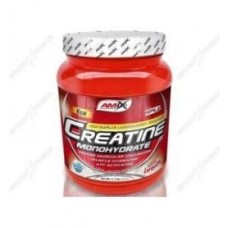

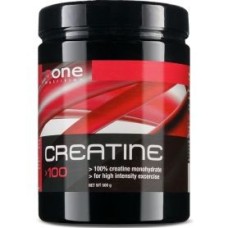
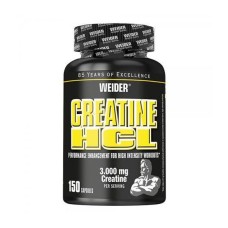
Overview of Creatine Hydrochloride
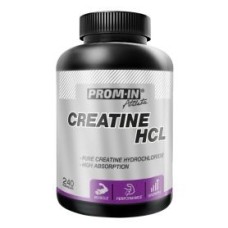
Creatine Hydrochloride (HCl) has emerged as a significant player in the sports nutrition industry, gaining popularity among athletes, bodybuilders, and fitness enthusiasts alike. As a supplement derived from creatine, it features a hydrochloride molecule that enhances its solubility and absorption efficiency when compared to traditional creatine forms. This variation provides users with a product that is not only effective in enhancing physical performance but also easier on the stomach, reducing the gastrointestinal distress often associated with other creatine types. The rise of Creatine Hydrochloride is not just about performance enhancement; it plays a pivotal role in the daily routines of consumers who prioritize fitness, aiming to boost strength, support muscle recovery, and improve exercise output.
In the competitive landscape of dietary supplements, Creatine Hydrochloride stands out due to its promise of increased bioavailability and minimal water retention. For consumers in search of an effective supplement that maximizes their workout potential while minimizing side effects, Creatine Hydrochloride presents a strong proposition. This product resonates with a broad spectrum of users, from casual gym-goers looking to enhance their workout regime to serious athletes striving for optimal performance metrics.
Key Characteristics of Creatine Hydrochloride
Understanding the characteristics and fundamental principles of Creatine Hydrochloride is vital for consumers considering its use. As with many dietary supplements, specific guidelines and contraindications govern the safe use of this product. Below is a list of essential points that outline both its beneficial features and its limitations:
- Enhanced Solubility: Creatine Hydrochloride is known for its superior solubility in water, making it easier for the body to absorb and utilize effectively.
- Lower Dosage Required: Due to its potency, consumers often find that lower dosages are needed compared to standard creatine monohydrate, making it a more convenient option.
- Reduced GI Distress: Its formulation is designed to minimize gastrointestinal issues, a common complaint with other creatine forms.
- Not Recommended for Certain Groups: Pregnant women, breastfeeding mothers, children, and individuals with kidney or liver conditions should avoid using Creatine Hydrochloride unless otherwise advised by a healthcare professional.
- Hydration is Key: While Creatine Hydrochloride minimizes water retention, users should maintain adequate hydration to optimize performance and health benefits.
These key characteristics make Creatine Hydrochloride a sought-after supplement, but potential users must also be vigilant about who should not use it to ensure safe consumption.
Current Trends and Developments in Creatine Hydrochloride
As the health and fitness industry continues to evolve, so does the landscape for Creatine Hydrochloride. Recent trends highlight a growing inclination towards transparency and natural ingredients, with consumers becoming more discerning about what they put into their bodies. Many brands are now focusing on developing cleaner formulas, avoiding additives and fillers, which cater to the increasing demand for high-quality supplements. Moreover, there has been a significant uptick in research and development, leading to innovative delivery methods such as flavored mixes or ready-to-drink formulations suited for on-the-go use.
In addition, social media influencers and fitness enthusiasts are actively sharing their experiences with Creatine Hydrochloride online, contributing to its rising visibility and accessibility. This shift towards more personal recommendations is also fostering a community around Creatine Hydrochloride, enabling potential users to make informed decisions based not only on scientific data but also on peer experiences. As we move forward, expect more collaborative efforts between researchers and supplement manufacturers aimed at unveiling even more benefits and applications of Creatine Hydrochloride.
The Niche of Creatine Hydrochloride in the Market
Creatine Hydrochloride occupies a distinct niche within the broader supplement market, positioning itself as a specialized solution for performance enhancement. It is particularly appealing for those who may have faced limitations with traditional creatine forms due to digestive issues or unwanted water retention. As the fitness community increasingly gravitates towards performance-driven, convenient solutions, Creatine Hydrochloride has firmly established itself as an essential component for users looking for effective and manageable supplementation.
In summary, Creatine Hydrochloride offers a comprehensive solution that meets the demands of modern consumers driven by performance, health, and convenience. Its unique attributes — including enhanced solubility and minimized side effects — support a growing user base that is increasingly focused on achieving specific fitness goals. By understanding what Creatine Hydrochloride represents, both in terms of its advantages and its rightful place within the supplement ecosystem, consumers can make informed decisions that align with their health and performance aspirations.