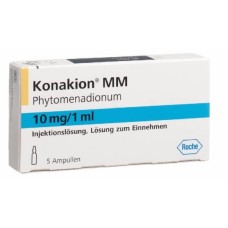

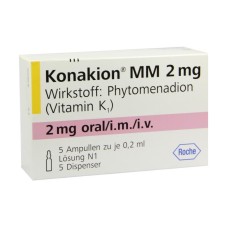
What is Phytomenadione?
Phytomenadione, commonly known as Vitamin K1, is a fat-soluble vitamin essential for a variety of bodily functions, most notably in the synthesis of proteins that regulate blood coagulation. It is vital for maintaining healthy blood clotting processes, ensuring that when you experience a cut or injury, your body can effectively prevent excessive bleeding. Phytomenadione is naturally found in green leafy vegetables, some fruits, and certain oils, and is also available as a dietary supplement or medication. Besides its primary role in blood clotting, it has been associated with bone health and cardiovascular function, showing its diverse applications in preventative and therapeutic health care.
Who Uses Phytomenadione and Where is it Commonly Applied?
The use of Phytomenadione is particularly relevant for individuals who may have trouble absorbing this vitamin or have conditions that necessitate improved clotting ability. Commonly, it is prescribed to those who are on anticoagulant therapy or have liver diseases that impair vitamin absorption. Additionally, Phytomenadione is often given to newborns to prevent hemorrhagic disease, as their gut flora may not yet produce sufficient vitamin K. The target audience extends to individuals undergoing specific medical treatments affecting vitamin K levels, such as patients receiving long-term antibiotics.
It is crucial to consult with a healthcare professional before starting any supplement containing Phytomenadione, as certain factors may contraindicate its use. Individuals with hypersensitivity to any component of Vitamin K, pregnant women, and young children should be careful or avoid its use unless recommended by a physician. Specific medical conditions, including liver disorders and certain hereditary bleeding disorders, can also limit the suitability of Phytomenadione supplements.
Key Benefits of Phytomenadione
Phytomenadione offers numerous benefits, playing a crucial role in various physiological processes. By supporting proper blood coagulation, it drastically lowers the risk of excessive bleeding, which is vital for recovery and maintaining overall health. Additionally, it contributes to bone metabolism, enhancing the mineralization of bones and reducing the risk of fractures, particularly in populations at risk such as the elderly. Below are some of the key benefits associated with Phytomenadione:
- Supports healthy blood clotting processes.
- Promotes optimal bone health by aiding in calcium regulation.
- Enhances cardiovascular health and function.
- May prevent certain bleeding disorders in newborns.
- Potentially reduces fragility fractures in older adults.
These benefits establish Phytomenadione as a critical nutrient, particularly for those who may have heightened requirements or deficiencies in Vitamin K. It is essential for maintaining overall wellness and reducing risks associated with blood and bone health.
The Core Value of Phytomenadione Products
The core value of products containing Phytomenadione lies in their ability to enhance health outcomes related to blood clotting and bone integrity. By ensuring proper synthesis of coagulation factors, they play an integral part in preventing hemorrhagic complications, making them invaluable especially for populations susceptible to bleeding disorders. Additionally, Phytomenadione's role in bone health reinforces the idea of comprehensive wellness, where maintaining one’s skeletal structure is as important as managing blood-related issues.
Beyond the physical benefits, products containing Phytomenadione also offer peace of mind for users, particularly those managing chronic conditions or caring for sensitive populations like infants and the elderly. With the assurance that adequate levels of vital nutrients are maintained, individuals can enhance their quality of life through informed dietary choices and supplementation. Thus, Phytomenadione not only fulfills a fundamental biological role but also represents a proactive approach to healthcare, underscoring the essence of preventive medicine.