

Overview of Hydroquinone: Roles and Impact
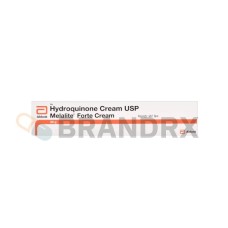
Hydroquinone is a topical agent primarily utilized for its skin-lightening properties, designed to treat hyperpigmentation conditions such as melasma, age spots, and freckles. As a potent antioxidant, it works by inhibiting the enzyme tyrosinase, which is essential in the production of melanin—the pigment responsible for skin color. Hydroquinone’s capacity to diminish unwanted pigmentation has positioned it as a significant player in the dermatology and cosmetic markets, and it has garnered the attention of both consumers and healthcare professionals alike.
In the realm of skincare, Hydroquinone is often available in various formulations, including creams, gels, and lotions, typically at concentrations ranging from 2% to 4%. It has been hailed for its fast-acting results, often showing improvements in skin tone within a few weeks of consistent use. The demand among consumers for effective solutions to skin discoloration has made Hydroquinone a staple ingredient in many over-the-counter and prescription skincare products.
However, the rise in awareness regarding its usage has also sparked debates concerning its safety, leading to regulatory scrutiny in several countries. As consumers increasingly prioritize transparency and safety in their skincare routines, Hydroquinone continues to navigate a complex landscape, balancing efficacy with wellness concerns.
Key Characteristics and Safety Considerations
- Skin Sensitivity: Some individuals may experience irritation, redness, or a burning sensation upon application. It is essential to conduct a patch test or consult with a dermatologist to assess skin sensitivity.
- Pregnancy and Lactation: Hydroquinone is generally not recommended for use during pregnancy or breastfeeding due to potential risks to the developing fetus or infant.
- Children: Hydroquinone products are typically not suitable for children, as their skin may be more sensitive and prone to adverse reactions.
- Not Suitable for All Skin Types: Individuals with sensitive skin, eczema, or other skin conditions may have a higher risk of experiencing adverse reactions to Hydroquinone. It is crucial for these consumers to seek alternative treatments.
- Long-Term Use Restrictions: Prolonged use of Hydroquinone can lead to a condition called ochronosis, resulting in a blue-black discoloration of the skin. Hence, its use should be monitored and limited according to professional guidelines.
- Sun Sensitivity: Hydroquinone may increase skin’s sensitivity to the sun, necessitating the use of sunscreen to protect the treated areas from UV exposure and further pigmentation issues.
Current Trends and Developments in Hydroquinone Market
In recent years, the Hydroquinone market has witnessed significant shifts driven by evolving consumer demands and regulatory influences. One notable trend is the growing preference for natural and organic skincare solutions. As consumers become more conscientious about the ingredients in their products, there's a burgeoning demand for hydroquinone alternatives derived from botanical sources, such as licorice root extract and kojic acid. These natural agents often promote a gentler approach to skin brightening, appealing to those hesitant to use synthetic compounds.
Moreover, as regulatory bodies in certain regions implement stricter guidelines governing the use of Hydroquinone, ethical brands are pivoting towards safer and more transparent skincare practices. This shift is motivating them to formulate Hydroquinone-containing products with fewer potentially harmful additives and to provide clearer labeling regarding usage and risks. Brands are also focusing on innovative delivery systems that enhance the efficacy of Hydroquinone while minimizing irritation, thereby making it a more attractive option for discerning consumers.
Additionally, there is an increasing emphasis on sustainability in skincare packaging and production practices. Not only does this cater to the growing demographic that prioritizes environmentally-friendly products, but it also reflects a broader cultural shift towards responsible consumerism.
Summarizing the Position of Hydroquinone
Hydroquinone occupies a unique and significant niche within the skincare market, often regarded as a powerful ally in the fight against hyperpigmentation. Despite its efficacy, the complexities surrounding its safety and potential adverse effects require a nuanced understanding from both consumers and professionals alike. By recognizing Hydroquinone’s capabilities, alongside potential risks and limitations, users can make informed choices based on their specific needs and skin types.
The evolution of Hydroquinone, dictated by market demands and regulatory landscapes, suggests a promising yet cautious journey forward. While it remains a sought-after ingredient for users wanting rapid and effective results, the emphasis on safety, transparency, and sustainability can drive both innovation and consumer trust in Hydroquinone as a staple in the world of skincare. As the conversation progresses, Hydroquinone's role may evolve, reflecting an industry that increasingly values the balance between beauty, effectiveness, and ethical responsibility.