
Ticagrelor: An Overview of Its Role and Impact
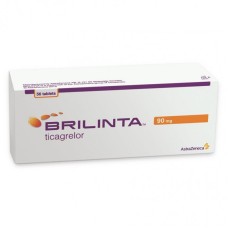
Ticagrelor is an antiplatelet medication that plays a key role in reducing the risk of cardiovascular events in patients with a history of coronary artery disease, such as those who have experienced a recent heart attack or unstable angina. Approved by the FDA in 2011, Ticagrelor is marketed under the brand name Brilinta and is recognized for its efficacy in preventing thrombotic events. Unlike other medications in its class, such as clopidogrel, Ticagrelor acts as a direct reversible inhibitor of the P2Y12 receptor on platelets. This innovative action allows for a faster and more effective inhibition of platelet aggregation, greatly benefiting patients at risk for serious cardiovascular issues.
The medication is often prescribed in conjunction with aspirin in a dual antiplatelet therapy (DAPT) regimen. The use of Ticagrelor has gained significant attention in the medical landscape due to its substantial improvements in clinical outcomes in patients undergoing percutaneous coronary intervention (PCI). As a result, Ticagrelor has carved its niche within the market, offering patients and healthcare providers an essential tool in managing heart health, which is critical given the pervasive nature of heart-related diseases worldwide.
Key Characteristics and Fundamental Principles of Antiplatelet Therapy
- Mechanism of Action: Ticagrelor is classified as a P2Y12 receptor antagonist. It prevents ADP-mediated platelet activation and aggregation, thereby minimizing the blood clotting process that can lead to serious conditions such as heart attacks and strokes.
- Indications: This medication is indicated for patients with acute coronary syndrome (ACS), particularly those undergoing PCI or at high risk for future thrombotic events.
- Contraindications: Ticagrelor is not suitable for everyone. The following groups should avoid this medication:
- Pregnant and breastfeeding women: The safety of Ticagrelor in pregnant women and nursing mothers has not been established.
- Children: Pediatric safety and effectiveness have not been evaluated, thus the use of Ticagrelor in children is not recommended.
- Patients with active bleeding: Those with conditions such as ulcers or bleeding disorders are at heightened risk of serious complications.
- Severe liver impairment: Patients with hepatic dysfunction may have altered drug metabolism.
- Prior hypersensitivity: Individuals with a known allergy to Ticagrelor or any of its components should not use this medication.
- Side Effects: Common adverse effects can include bleeding, bradycardia, headache, and dyspnea. Serious side effects can occur and should be monitored by healthcare providers.
- Dosing Considerations: Ticagrelor is typically administered in a 90 mg dose twice daily after an initial 180 mg loading dose. Adherence to dosing is critical for optimal therapeutic effect.
Current Trends and Developments in Ticagrelor Usage
The landscape of cardiovascular care is continually evolving, bringing new insights and practices regarding Ticagrelor and its application. One notable trend is the increasing emphasis on personalized medicine; healthcare providers now utilize genetic testing to understand how patients metabolize antiplatelet medications like Ticagrelor, optimizing treatment plans tailored to individual needs.
Recent studies have highlighted the benefits of extending the duration of Ticagrelor therapy beyond the conventional one year post-PCI, particularly in high-risk patients. This shift toward longer treatment durations is being driven by evidence suggesting that maintaining platelet inhibition can lead to better long-term outcomes.
Furthermore, advancements in technology have facilitated greater patient vigilance through mobile health applications that remind individuals to take medications, track side effects, and communicate with healthcare providers in real-time. This digital approach promises to bolster adherence and reduce the incidence of adverse cardiovascular events associated with non-compliance.
Ticagrelor's Place in the Market
Ticagrelor occupies a significant position within the cardiac medication arena, being one of the leading antiplatelet agents alongside clopidogrel and prasugrel. Its innovative mechanism of action and proven efficacy in reducing serious cardiovascular events make it a cornerstone of secondary prevention in patients with a history of coronary artery disease.
The comprehensive understanding of Ticagrelor encompasses its mode of action, contraindications, evolving clinical guidelines, and the increasing recognition of its importance in long-term management strategies for at-risk patients. As cardiovascular disease remains one of the leading causes of morbidity and mortality worldwide, Ticagrelor is pivotal in the toolkit of healthcare providers dedicated to improving patient outcomes.
In summary, Ticagrelor represents a vital advancement in antiplatelet therapy that continues to demonstrate its efficacy and influence in the healthcare market. The ongoing developments in patient management and clinical research further affirm its standing as an essential ally in the battle against cardiovascular diseases.