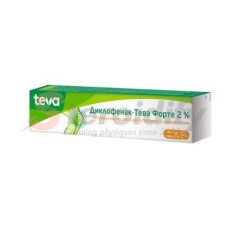

What is Diclofenac and What is Its Main Function?
Diclofenac is a nonsteroidal anti-inflammatory drug (NSAID) commonly used to alleviate pain, swelling, and inflammation. It works by inhibiting certain substances in the body that cause inflammation and pain, making it an effective treatment for a variety of conditions, such as arthritis, muscle pain, and postoperative discomfort. Diclofenac is available in various forms, including tablets, topical gels, and injections, which provides flexibility in treatment options depending on the severity of the condition and the patient's preference.
Typical Situations and Purposes for Using Diclofenac
Diclofenac is often used in situations where pain management and inflammation reduction are necessary. Common purposes include:
- Treating osteoarthritis and rheumatoid arthritis
- Relieving acute pain due to injuries or surgical procedures
- Alleviating menstrual pain (dysmenorrhea)
- Managing pain associated with gout attacks
While Diclofenac can be highly effective for these purposes, it is extremely important to seek professional medical advice before use. A healthcare professional can provide guidance on dosages, necessary precautions, and potential interactions with other medications.
Is Diclofenac Right for You?
Understanding whether Diclofenac is suitable for your needs involves assessing a few key criteria. This information will help you make an informed decision:
- You are experiencing moderate to severe pain that has not responded well to over-the-counter medications.
- Your healthcare provider has recommended Diclofenac specifically for your condition.
- You are not allergic to NSAIDs or have not experienced adverse reactions to medications in this category.
- You have consulted your healthcare provider regarding the use of Diclofenac, especially if you have underlying health conditions.
It is essential to note that Diclofenac may not be suitable for everyone. Individuals with certain medical histories or conditions should consult with their physician to ensure it is right for them.
What to Look for When Choosing Diclofenac
When considering Diclofenac, it's important to pay attention to a few factors:
- Select the appropriate formulation based on your medical needs (oral, topical, etc.).
- Always check for any contraindications, such as pregnancy or breastfeeding, where Diclofenac may not be recommended.
- Consider underlying health conditions, such as liver or kidney disease, that may affect the safety and efficacy of the medication.
- Consult with a healthcare professional if you are on medications that could interact with Diclofenac.
Patients who should avoid Diclofenac include those with a history of gastrointestinal ulcers, heart disease, or who are in any stage of pregnancy, particularly the third trimester.
Key Information and Next Steps
In summary, Diclofenac is a potent NSAID that offers relief from pain and inflammation associated with various conditions. However, it is imperative to use it under the direction of a healthcare professional to maximize benefits while minimizing risks. If you believe Diclofenac could help you, take the next step by browsing our range of Diclofenac products or consult with your healthcare provider to discuss your potential treatment options.