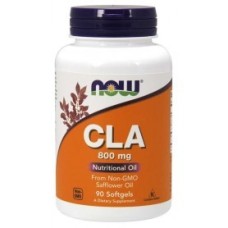

Overview of Conjugated Linoleic Acid
Conjugated Linoleic Acid (CLA) is a term used to describe a group of isomers of linoleic acid, a polyunsaturated fatty acid that is classified as an omega-6 fatty acid. Found naturally in meat and dairy products, CLA has gained significant popularity in recent years as a dietary supplement due to its potential health benefits. This compound is known for its role in weight management, muscle growth, and fat loss. It is thought to work through various mechanisms, including enhancing fat metabolism and inhibiting fat storage. With increasing consumer awareness regarding health and nutrition, CLA has secured a prominent niche in the wellness market, appealing to those looking to achieve fitness goals, manage their weight, and improve overall health.
In addition to its benefits in weight management, Conjugated Linoleic Acid is also associated with immune system support, promoting heart health, and even potential anti-cancer effects. As more research emerges about its benefits, consumers are increasingly turning to CLA supplements as part of their daily regimen. The diverse applications of CLA make it a valuable addition to health products, and its relevance continues to grow in the fitness and dietary supplement industry.
Key Characteristics and Contraindications
- Forms of CLA: Generally available in softgel capsules or liquid form, CLA supplements can vary in their concentration of active isomers. Users should select products that specify the concentration of CLA to ensure efficacy.
- Dosage Recommendations: Recommended dosages typically range from 1.5 to 6.8 grams per day, depending on individual health goals. Consulting a healthcare professional before starting any new supplement regimen is advisable.
- Storage Conditions: To maintain its potency, CLA should be stored in a cool, dark place to avoid degradation from heat and light exposure.
- Possible Side Effects: Some users may experience mild side effects such as digestive discomfort, diarrhea, or changes in appetite. It's essential to monitor how your body reacts to the supplement.
- Contraindications: Certain populations may need to avoid CLA supplementation, including:
- Pregnant and Breastfeeding Women: The effects of CLA on fetal and infant health are not well-studied, so it is advisable to avoid this supplement during these critical periods.
- Children: Younger individuals may be more sensitive to dietary supplements; consulting with a pediatrician before administration is essential.
- Individuals with Specific Health Conditions: Those with diabetes, liver disease, or other chronic health issues should discuss the use of CLA with healthcare providers to avoid potential interactions or adverse effects.
Current Trends and Developments in Conjugated Linoleic Acid
The market for Conjugated Linoleic Acid has been evolving, with an increasing focus on natural and organic sources. Consumers are becoming more discerning and are inclined to choose brands that provide transparency regarding ingredient sourcing, manufacturing processes, and third-party testing. In addition to the traditional use of CLA in weight management, emerging research is expanding its applications in bodybuilding and fitness, as well as its role in reducing the risk of chronic diseases.
Furthermore, there is a notable trend toward the inclusion of CLA in functional foods, such as protein bars, smoothies, and meal replacement shakes. Manufacturers are responding to consumer demand by developing new products that incorporate CLA alongside other beneficial ingredients for holistic health benefits. Social media and influencer marketing are also playing a role in promoting CLA's advantages, making it a trendy topic among health and fitness enthusiasts.
Understanding the Place of Conjugated Linoleic Acid in Its Niche
Conjugated Linoleic Acid occupies a significant position in the dietary supplement landscape, known for its multifaceted benefits and its role in supporting active lifestyles. As consumers continue to prioritize health and well-being, the global audience for CLA products is expected to expand further. Its unique properties, combined with ongoing research exploring new health implications, reinforce its perception as a valuable dietary addition.
In summary, Conjugated Linoleic Acid represents an intersection of research, consumer interest, and product development, reflecting an increasingly health-conscious society seeking effective ways to enhance their quality of life. As it continues to evolve and gain traction in the wellness niche, CLA will likely remain a focal point for those interested in optimized health, fitness goals, and overall well-being.