








What are Vitamins and Their Main Functions
Vitamins are essential organic compounds that our bodies require in small amounts to function properly. These micronutrients play critical roles in various bodily processes, including metabolism, immunity, and cell repair. Each vitamin has specific functions that contribute to overall health, acting as co-factors in enzymatic reactions, supporting bone health, aiding in the absorption of other nutrients, and promoting energy production. With a diverse range of vitamins available, including vitamins A, C, D, E, and K, they are vital for maintaining wellness and preventing diseases related to nutritional deficiencies.
Typical Uses and Purposes of Vitamins
Vitamins are usually utilized in various scenarios where a person may lack essential nutrients in their diet or when an increased intake is necessary due to certain life stages or health conditions. Common situations include:
- Individuals with restricted diets or food allergies
- Those experiencing increased physical or mental stress
- Pregnant or breastfeeding women who have elevated nutritional needs
- Older adults who may have diminished nutrient absorption
- Individuals recovering from illness or surgery
It is extremely important to seek professional medical advice before using vitamins, as a qualified healthcare provider can evaluate individual needs and recommend appropriate dosages. Overuse or inappropriate use may lead to adverse effects or exacerbate existing health issues.
Determining if Vitamins are Right for You
To understand whether vitamins are suitable for your specific health needs, several factors must be considered. Here’s a checklist to help you gauge if vitamins could benefit you:
- You frequently feel fatigued or low on energy.
- Your diet lacks variety or essential food groups.
- You have a specific medical condition or are on medications that deplete certain nutrients.
- You want to boost your immune system or overall well-being.
- You are an athlete looking for nutritional support to enhance performance.
If you find that these points resonate with your current health situation, consulting your healthcare provider for personalized advice is recommended before starting any vitamin regimen.
Choosing the Right Vitamins
When selecting vitamins, it’s essential to look for high-quality products that meet stringent safety and efficacy standards. Here are some key considerations:
- Check the ingredient list for any additives or allergens that may not suit you.
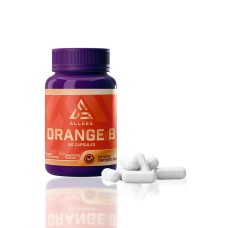
- Evaluate the form of vitamins – whether they are in tablet, capsule, powder, or liquid form – to find what works best for you.
- Consider the dosage: Ensure that the product offers the right amount of each vitamin according to the Recommended Dietary Allowance (RDA).
Additionally, certain groups should be cautious when considering vitamin supplementation, including pregnant women, children, and those with specific health conditions like kidney disease or certain metabolic disorders. Always read labels and consult a healthcare professional to identify any potential contraindications.
Key Takeaways and Next Steps
Understanding vitamins and their crucial role in health is the first step toward optimizing your nutrition. By identifying your needs and consulting with a healthcare professional, you can make informed decisions regarding vitamin supplementation.
Your next steps include browsing our extensive range of high-quality vitamins tailored to meet various health needs, ensuring you have the nutrients necessary for optimal well-being. Whether you’re seeking a multivitamin, specific vitamins, or formulations targeting particular health concerns, our collection has something to support your health journey.