 All about product
 Specification
 Reviews
 Questions
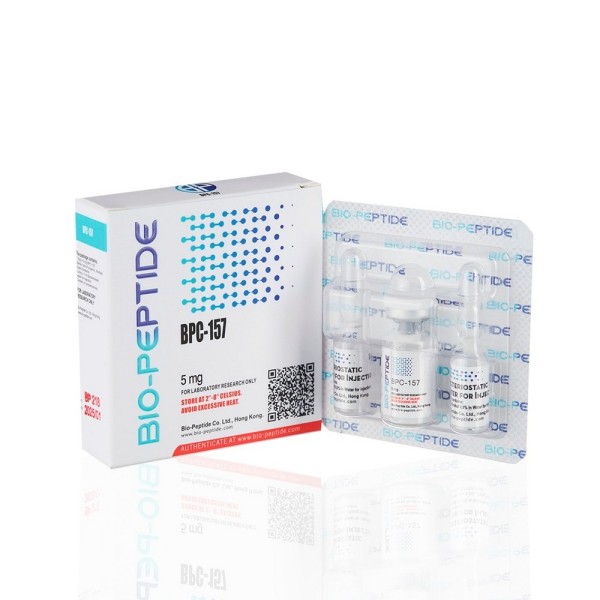
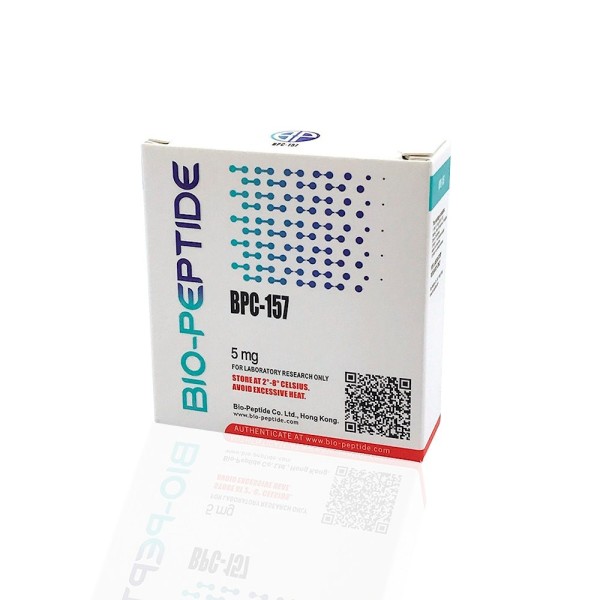
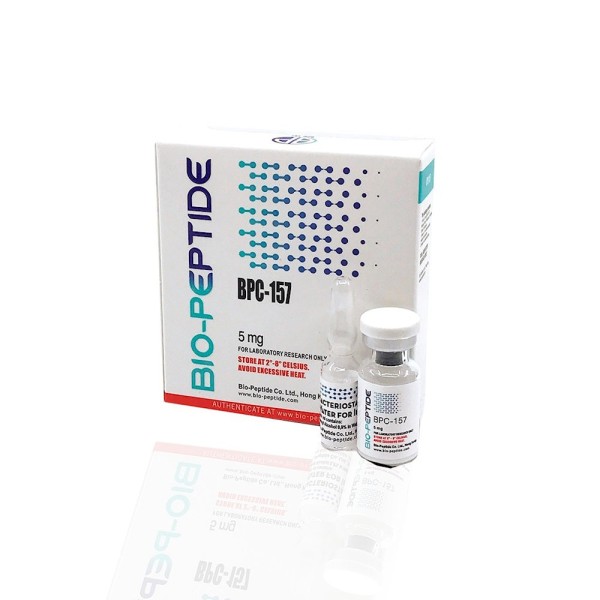


Pharmacological characteristics of BPC-157 5 mg Bio-Peptide
BPC-157, short for Body Protective Compound-157, is a peptide naturally found in the gastric juice of humans. This remarkable compound has been gaining attention in various therapeutic and athletic contexts due to its potent regenerative and healing properties. BPC-157 is synthesized from a sequence of amino acids and is categorized under bio-peptides, which are short chains of amino acids that play significant roles in biological processes. The primary pharmacological action of BPC-157 lies in its ability to promote healing, particularly in soft tissues. Studies indicate that BPC-157 accelerates the healing of tendon injuries, muscle tears, and even bone fractures while also exhibiting anti-inflammatory properties. Its regenerative capabilities make it a sought-after product in both clinical and sports medicine applications.
Effect of the product on metabolism and athletic performance
The potential of BPC-157 extends beyond mere injury recovery; it has also been shown to positively influence metabolism and enhance athletic performance. The peptide enhances blood flow to tissues, which translates into improved nutrient delivery and oxygenation for muscles engaged during high-intensity physical activities. By promoting angiogenesis, the formation of new blood vessels, BPC-157 helps in vasculature enhancement, allowing athletes to engage in longer, more strenuous training sessions. Improved healing times mean that athletes can return to their training regimens quicker, reducing downtime and promoting consistency in workouts. Additionally, BPC-157 has been noted to assist in the reduction of pain associated with injuries, thereby allowing for a more holistic approach to athletic performance enhancement. Many users have reported positive reviews regarding increased endurance, strength gains, and faster recovery times, making it an attractive option for those looking to improve their physical capabilities.
Application in sports medicine
In the realm of sports medicine, BPC-157 is increasingly regarded as an invaluable tool in athlete rehabilitation and recovery processes. The peptide is employed to treat a variety of injuries including ligament sprains, muscle tears, and tendonitis. Clinicians appreciate its ability to speed up recovery, which plays a crucial role in ensuring athletes can return to peak performance levels without prolonged recovery periods. Many sports professionals and trainers advocate for the integration of BPC-157 into recovery protocols. This bio-peptide is also beneficial in the prevention of injury, as it can bolster muscle and tendon resilience when subjected to significant loads. The application of BPC-157 in sports medicine not only aligns with the ethical guidelines of athlete care but also enhances overall athletic health. As its popularity grows, so do discussions surrounding its efficacy and safety, prompting an increase in clinical studies to further validate its applications.
Side effects, contraindications, and body reactions
Like all biological substances, BPC-157 may elicit side effects or adverse reactions, although it is generally well-tolerated among users. Common side effects include mild headache, nausea, and occasional flushing at the injection site. Some users have reported changes in mood or sleep patterns, although these effects are not consistently observed and may vary by individual. It is essential for potential users to consider contraindications, particularly those with pre-existing health conditions or those taking concurrent medications. Consulting with a healthcare professional prior to incorporating BPC-157 into any regimen is advised to ensure safety and mitigate risks. Users should monitor their body's responses to the peptide and report any concerning symptoms to a healthcare provider for assessment. Overall, while BPC-157 offers remarkable therapeutic benefits, it is important to maintain vigilance concerning personal health when opting for its use.
Chemical composition, form of release, and manufacturer’s recommendations
BPC-157 is composed of a specific sequence of 15 amino acids, contributing to its unique biological activity. This peptide is commonly available in a lyophilized powder form, which can be reconstituted for subcutaneous or intramuscular injection. The chemical stability of BPC-157 contributes to its long shelf life and effectiveness, promoting its utility in various applications. When it comes to dosage, users often find guidance from manufacturers who recommend starting with lower dosages, assessing individual response before any increment. Proper storage is crucial; BPC-157 should be kept in a cool, dark place to maintain its integrity. Following manufacturer recommendations for safe usage is vital for achieving optimal effects. Engaging with reputable sources for acquiring BPC-157 ensures the integrity and quality of the product, enhancing the overall experience for users.
Where and why it’s worth buying BPC-157 5 mg Bio-Peptide online in our store in UK
For those interested in acquiring BPC-157 5 mg Bio-Peptide, buying online can offer unmatched convenience alongside a broader selection of products. Our store in the UK specializes in high-quality bio-peptides, including BPC-157, with a focus on authenticity and customer satisfaction. By shopping with us, you will gain access to competitive pricing and informative resources tailored to guide your purchasing decisions. With positive reviews from satisfied customers, you can trust that our products meet rigorous quality standards. Additionally, purchasing online allows for discreet delivery and the option to explore bulk buying or combo deals for enhancing your overall regimen. Investing in BPC-157 from our store guarantees you a premium product, expert advice, and support throughout your journey toward improved health and athletic performance. Enjoy the confidence that comes with sourcing from a trusted online provider.


There are no reviews for this product, be the first to leave your review.


No questions about this product, be the first and ask your question.
