 All about product
 Specification
 Reviews
 Questions
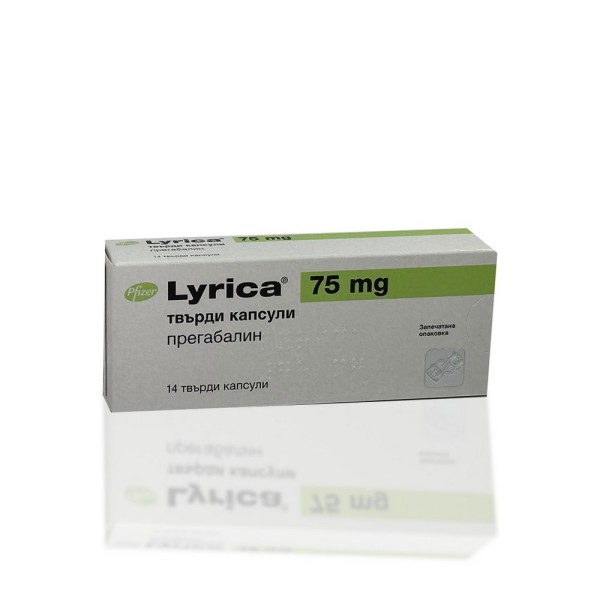

Understanding Lyrica 75 mg Pfizer: The Mechanism Behind the Active Substance
Lyrica 75 mg, produced by Pfizer, is a medication that contains the active substance pregabalin. While it is primarily known for managing neuropathic pain, its physiological mechanisms offer promising insights into numerous health aspects including muscle recovery, metabolic regulation, and hormone support. Pregabalin alters calcium channel activity in the nervous system, which ultimately reduces the release of excitatory neurotransmitters. This modulation plays a crucial role in mitigating pain and may also influence other physiological processes relevant to athletes and active individuals.
The Influence of Pregabalin on Muscle Growth and Recovery
The relationship between pregabalin and muscle growth is an intriguing area of study. While not a conventional supplement for muscle hypertrophy, pregabalin indirectly benefits athletes by enhancing recovery rates. By minimizing pain and discomfort, it enables individuals to engage in training more consistently and effectively. It allows for more productive workouts by reducing the time spent recovering from injuries or intense exertion, thereby optimizing anabolic efficiency.
Fat Metabolism and Hormonal Regulation
Additionally, pregabalin’s action on neurotransmitter release may also have implications for metabolic regulation. Clinical studies suggest that effective pain management can enhance an individual’s ability to engage in weight-bearing and resistance training, which is essential for fat metabolism. Improved metabolic regulation facilitates not only fat loss but also a favorable hormonal environment that supports natural testosterone production. Testosterone is a vital hormone for athletes looking to enhance muscle mass and improve overall physical performance.
Proven Effects from Clinical Studies
Research supports the use of pregabalin in improving the recovery process post-exercise. Reviews of clinical studies indicate that effective pain control through medications like Lyrica can lead to decreased recovery times, which is crucial for athletes looking to maximize performance. User experiences often highlight feeling more at ease during training, thus enabling them to push through barriers without the debilitating sensation of pain that often accompanies intense workouts.
Recommended Dosage and Usage Insights
For beginners and intermediate users, a typical dosage begins at 75 mg per day, which may be adjusted based on individual response and tolerance. It is important to consult a healthcare provider to determine the appropriate dosage tailored to your specific needs. The therapeutic range for pregabalin typically spans from 75 mg to 600 mg, divided into two or three doses throughout the day.
Controlled Production and Side-Effect Awareness
Lyrica 75 mg Pfizer is produced under rigorous standards to ensure purity, efficacy, and safety. However, like any medication, it comes with potential side effects ranging from dizziness and fatigue to possible behavioral changes. Awareness of these effects is essential for users contemplating its incorporation into their regimen. Consult with a healthcare provider to ensure responsible usage and to mitigate any risks effectively.
Taking the Next Step Towards Maximizing Your Performance
For athletes determined to enhance their performance while maintaining a responsible approach to health, Lyrica 75 mg Pfizer presents a scientifically backed solution. With its ability to aid recovery, regulate metabolic functions, and support natural testosterone levels, it stands out as a valuable addition to any regimen aimed at optimizing physical capabilities. If you're ready to maximize your performance safely, this is your next step.


There are no reviews for this product, be the first to leave your review.


No questions about this product, be the first and ask your question.
