 All about product
 Specification
 Reviews
 Questions
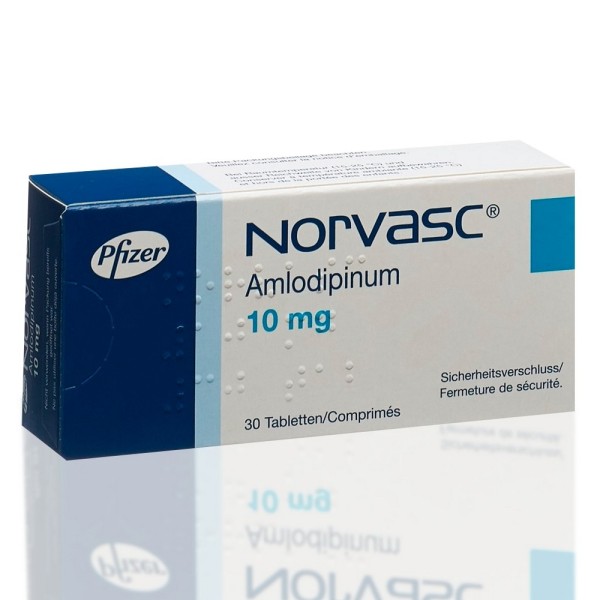

Understanding Norvasc 10 mg: A Glimpse into Its Mechanism
Norvasc 10 mg, a pharmaceutical product by Pfizer, primarily contains the active substance amlodipine besylate. This medication is classified as a calcium channel blocker and is predominantly prescribed to manage hypertension (high blood pressure) and angina (chest pain). However, understanding the physiological role of amlodipine not only sheds light on its therapeutic benefits but also positions Norvasc as a reliable solution in various contexts, including athletic performance.
The Role of Amlodipine in Physiological Processes
Amlodipine works by inhibiting the influx of calcium ions into vascular smooth muscle and cardiac muscle. By doing so, it induces vasodilation, leading to reduced vascular resistance and lower blood pressure. This mechanism is critically important in optimizing blood flow and oxygen delivery to tissues, which can significantly influence muscle performance and recovery in athletes.
Effects on Muscle Growth and Recovery
One of the subtle yet profound impacts of Norvasc is its potential influence on muscle hypertrophy and recovery. While not a direct anabolic agent, the improved blood circulation facilitated by amlodipine can enhance nutrient delivery to muscle tissues during and post-exercise. This process supports an athlete's recovery rate by ensuring that essential nutrients and hormones, such as natural testosterone, reach muscle fibers promptly, promoting growth and aiding metabolic regulation.
Clinical studies have observed that athletes who maintain optimal cardiovascular health through effective blood pressure management have better endurance and stamina. By integrating Norvasc into a well-rounded athletic regimen, users might experience enhanced training outcomes, largely attributed to improved blood flow and nutrient transport.
Dosage Recommendations and Usage Guidelines
The typical dosage of Norvasc for managing hypertension usually ranges from 2.5 mg to 10 mg once daily. For athletes considering its benefits for performance enhancement, starting at a lower dose, such as 5 mg, is advisable. This approach allows the body to adjust and mitigates the risk of side effects. It's essential to consult with a healthcare professional to tailor the dosage based on individual health conditions and performance goals.
Awareness of Side Effects and Controlled Production
While Norvasc is generally well-tolerated, users should be aware of possible side effects, which can sometimes include dizziness, swelling, or fatigue. It is crucial to monitor any adverse reactions and consult with a healthcare provider if symptoms persist. The controlled production of Norvasc by Pfizer ensures that the product meets stringent quality standards, providing assurance of its reliability and safety for users.
Encouragement for Responsible Usage
Before incorporating Norvasc into your performance-enhancing strategy, consider the importance of responsible usage. It is not a standalone solution; rather, it should be integrated into a comprehensive training and nutrition plan. Understanding the balance between its effects and your body’s needs is vital for maximizing performance safely.
If you are ready to optimize your athletic performance while ensuring safety and efficacy, Norvasc 10 mg by Pfizer could very well be the next step in your journey. Consult with a healthcare professional to explore how this scientifically backed solution can fit into your regimen.


There are no reviews for this product, be the first to leave your review.


No questions about this product, be the first and ask your question.
